Florida homeowners know hurricane season is more than just a weather event — it’s a financial risk that can impact homes, families, and entire communities. As the 2026 hurricane season approaches, many residents are reviewing emergency supplies, storm shutters, and evacuation plans. But one of the most important preparations often gets overlooked: understanding exactly what your homeowners insurance policy covers.
Unfortunately, many Florida homeowners assume they are fully protected until they file a claim after a storm. That’s when they discover that certain types of hurricane damage are excluded, limited, or subject to high deductibles.
From flood damage exclusions to roof coverage limitations, there are several coverage gaps that surprise homeowners every year. Knowing how your policy works before a hurricane forms can help you avoid expensive mistakes and make better decisions about your protection.
In this guide, we’ll explain what homeowners insurance in Florida typically covers during hurricane season, the most common exclusions, and the additional coverages many homeowners should consider in 2026.
What Homeowners Insurance Typically Covers During a Hurricane
A standard Florida homeowners insurance policy generally provides protection for certain types of hurricane-related damage, but coverage depends on the cause of the loss and the specific language in your policy.
Wind Damage
Most homeowners insurance policies in Florida typically cover wind damage caused by hurricanes and tropical storms.
This may include:
- Roof damage caused by high winds
- Broken windows
- Siding damage
- Damage from fallen trees
- Interior water damage caused by wind-created openings
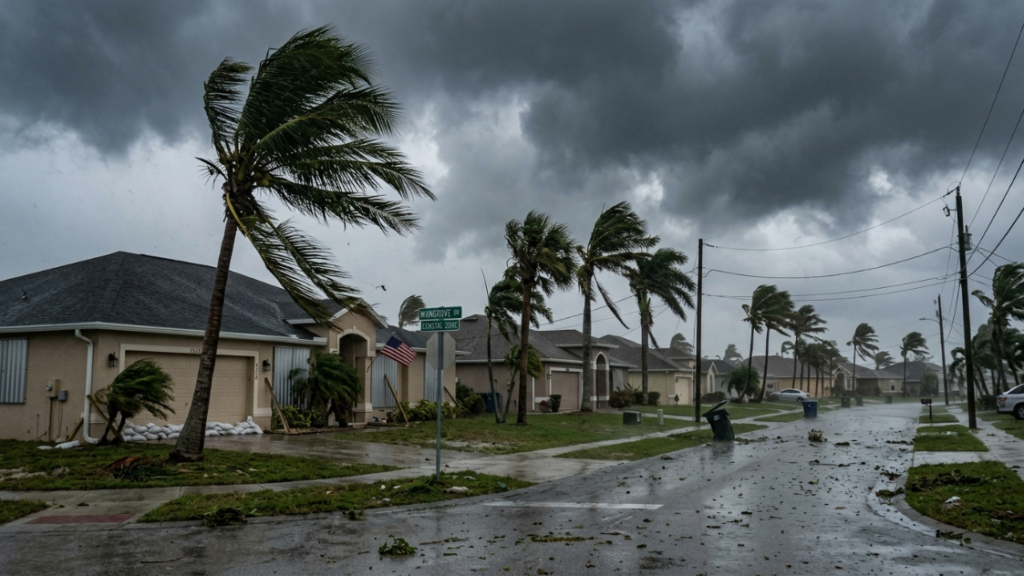
For example, if hurricane-force winds remove shingles from your roof and rain enters through the exposed area, your homeowners insurance policy may help pay for repairs.
However, coverage is not unlimited. Insurance companies may apply exclusions, limitations, or special deductibles depending on the age of the roof, prior claims history, or policy endorsements.
Dwelling Coverage
Dwelling coverage protects the physical structure of your home.
This often includes:
- Walls
- Roofing systems
- Flooring
- Electrical systems
- Plumbing
- Attached garages
- Built-in appliances
If your home suffers covered hurricane damage, dwelling coverage may help pay to repair or rebuild the structure up to your policy limits.
One major issue for Florida homeowners in 2026 is rising construction costs. Labor shortages, inflation, and material costs have increased rebuilding expenses significantly in recent years.
If your home is underinsured, your policy may not fully cover the cost to rebuild after a major storm.
That’s why many insurance professionals recommend reviewing dwelling limits annually.
Personal Property Coverage
Homeowners insurance also typically includes personal property coverage for belongings damaged by a covered peril.
This may include:
- Furniture
- Clothing
- Electronics
- Kitchen appliances
- Home office equipment
- Televisions and computers
Coverage limits apply, and some categories of property may have sublimits.
For example:
- Jewelry
- Watches
- Firearms
- Fine art
- Collectibles
May require additional scheduled coverage for full protection.
Creating a digital home inventory before hurricane season can help simplify the claims process and provide documentation if belongings are damaged or destroyed.
Additional Living Expenses (ALE)
If your home becomes uninhabitable after a covered hurricane loss, additional living expenses coverage may help pay for temporary costs while repairs are completed.
This may include:
- Hotel stays
- Temporary rental housing
- Restaurant meals
- Laundry expenses
- Increased transportation costs
Coverage limits and time restrictions vary by policy.
After a widespread hurricane event in Florida, housing shortages can drive temporary living costs significantly higher, making this coverage especially important.
The Coverage Gaps That Surprise Florida Homeowners
This is where many homeowners experience unpleasant surprises after a storm.
While homeowners insurance may cover certain hurricane-related damage, several major risks are commonly excluded.
Flood Damage Is Typically NOT Covered
One of the biggest misconceptions among Florida homeowners is believing flood damage is covered under standard homeowners insurance.
In most cases, it is not.
This means damage caused by:
- Storm surge
- Rising water
- Overflowing canals
- Flooded streets
- Water entering from ground level
Is generally excluded from a standard homeowners policy.
This distinction becomes critically important during hurricanes because storm surge and flooding often cause some of the most severe losses.
Why This Matters in Florida
Many homeowners believe they only need flood insurance if they live in a high-risk flood zone. However, flooding can happen almost anywhere in Florida during a hurricane.
Even homes outside designated flood zones may experience:
- Flash flooding
- Drainage overflow
- Saturated ground conditions
- Stormwater intrusion
To protect against flood losses, homeowners usually need separate flood insurance through:
- The National Flood Insurance Program (NFIP)
- A private flood insurance carrier
Many homeowners only discover this gap after a hurricane damages their property.
Hurricane Deductibles Are Often Much Higher Than Expected
Another major surprise for Florida homeowners is the size of hurricane deductibles.
Unlike standard deductibles that may be a flat amount such as $1,000 or $2,500, hurricane deductibles are often percentage-based.
This percentage is calculated using the insured value of the home.
Example of a Hurricane Deductible
If:
- Your home is insured for $500,000
- Your hurricane deductible is 2%
You could be responsible for the first $10,000 of covered hurricane damage before insurance begins paying.
Some Florida policies may carry:
- 2% deductibles
- 5% deductibles
- 10% deductibles
Higher deductibles can reduce premiums, but they also increase out-of-pocket costs after a storm.
Homeowners should understand their deductible structure before hurricane season begins.
Roof Coverage Limitations Are Becoming More Common
Roof coverage has become one of the most important issues in Florida homeowners insurance.
Because roof claims have contributed heavily to insurance losses in Florida, many insurers have added stricter roof limitations.
Depending on the policy, homeowners may encounter:
- Roof age restrictions
- Actual cash value settlements
- Depreciation schedules
- Cosmetic damage exclusions
- Reduced payouts for older roofs
Replacement Cost vs. Actual Cash Value
This distinction matters significantly.
Replacement cost coverage may pay to replace the roof with similar materials at today’s prices.
Actual cash value coverage factors in depreciation, which can substantially reduce claim payments.
For example:
- A 17-year-old roof may only qualify for partial reimbursement
- The homeowner may have to pay a large portion of replacement costs themselves
Florida homeowners should review:
- Roof endorsements
- Settlement methods
- Age-related restrictions
Before hurricane season arrives.
Water Damage vs. Flood Damage Confusion
One of the most confusing aspects of homeowners insurance is understanding the difference between water damage and flood damage.
The source of the water often determines whether the loss is covered.
Typically Covered
Rain enters through:
- A wind-damaged roof
- Broken windows
- Storm-created openings
Typically Excluded
Water enters due to:
- Storm surge
- Rising groundwater
- Flooded streets
- Overflowing bodies of water
This distinction leads to many claim disputes after hurricanes.
How much could you save on Florida Homeowners Insurance? It takes two minutes to find out.
Get a Free QuoteScreen Enclosures, Pools, and Detached Structures May Have Limited Coverage
Florida homeowners are often surprised to learn that certain outdoor structures may have lower coverage limits or exclusions.
This may include:
- Pool cages
- Screen enclosures
- Fences
- Detached sheds
- Docks
- Landscaping
These structures are highly vulnerable during hurricanes, particularly in coastal areas.
Coverage for detached structures is usually limited to a percentage of the dwelling limit, and some items may have separate exclusions.
Ordinance or Law Coverage Is Often Overlooked
Many older Florida homes were built under outdated building codes.
After a major hurricane, homeowners rebuilding damaged property may be required to meet current codes and regulations.
This can create substantial additional costs.
Ordinance or Law Coverage May Help Pay For:
- Electrical upgrades
- Structural code compliance
- Elevated construction requirements
- Demolition costs
- Rebuilding to updated standards
Without this coverage, homeowners may face significant out-of-pocket expenses during reconstruction.
Sewer Backup and Drainage Issues
Heavy rainfall during hurricanes can overwhelm municipal drainage systems.
This may lead to:
- Sewer backups
- Drain overflow
- Water intrusion through plumbing systems
Standard homeowners insurance may not automatically cover sewer backup losses.
Many insurers offer optional endorsements that provide protection for:
- Cleanup costs
- Flooring damage
- Drywall repairs
- Personal property damage
This coverage is increasingly important in flood-prone Florida communities.
Why Florida Homeowners Should Review Their Policy Every Year
Florida’s insurance market changes rapidly.
Carriers frequently update:
- Underwriting rules
- Roof restrictions
- Deductible structures
- Policy exclusions
- Coverage limits
As a result, many homeowners are unaware that their coverage has changed until after a loss occurs.
Before hurricane season 2026, homeowners should review:
- Dwelling limits
- Hurricane deductibles
- Flood insurance status
- Roof settlement terms
- Additional living expense limits
- Personal property coverage
- Ordinance or law protection
An annual insurance review can help identify gaps before they become expensive problems.
Important Coverage Options to Consider in 2026
Depending on your home and location, additional protection may be worth considering.
Flood Insurance
Flood insurance remains one of the most important supplemental coverages for Florida homeowners.
Even inland homes can flood during hurricanes and tropical storms.
Extended Replacement Cost Coverage
This optional coverage may provide additional protection if rebuilding costs exceed dwelling limits after a widespread disaster.
Construction inflation following hurricanes can drive repair costs much higher than expected.
Scheduled Personal Property Coverage
High-value items may require separate endorsements for full protection.
This may include:
- Jewelry
- Luxury watches
- Art collections
- Firearms
- Electronics
Water Backup Coverage
Water backup endorsements can provide valuable protection against drainage and sewer-related losses during severe storms.
Tips for Preparing Before Hurricane Season 2026
Insurance is only one part of hurricane preparedness.
Florida homeowners should also take proactive steps to protect their property and simplify the claims process.
Document Your Home
Take updated:
- Photos
- Videos
- Inventory lists
Of your home and belongings before hurricane season.
Store copies digitally.
Understand Your Deductibles
Know:
- Your hurricane deductible
- Your flood deductible
- Your potential out-of-pocket exposure
Before a storm approaches.
Review Roof Coverage
Ask your insurance agent:
- Is the roof covered at replacement cost?
- Is depreciation applied?
- Are there age limitations?
Verify Coverage Limits
Make sure your dwelling coverage reflects current rebuilding costs in your area.
Don’t Wait Until a Storm Is Forecasted
Insurance companies often restrict:
- New policies
- Coverage changes
- Policy increases
Once a tropical system enters the region.
Preparing early matters.
Final Thoughts
Florida hurricane season creates serious risks for homeowners, but one of the biggest risks is misunderstanding your insurance coverage.
Many homeowners assume their policy covers all hurricane-related damage, only to discover exclusions, deductibles, and limitations after filing a claim.
Understanding:
- What homeowners insurance covers
- What flood insurance covers
- How hurricane deductibles work
- Which coverage gaps may apply
Can help you make informed decisions before the next storm threatens Florida.
Reviewing your policy now may help protect both your home and your finances during hurricane season 2026.
Frequently Asked Questions
Does homeowners insurance cover hurricane damage in Florida?
In many cases, homeowners insurance covers wind-related hurricane damage, subject to policy terms and deductibles.
Does homeowners insurance cover flooding from hurricanes?
Typically no. Flood damage is generally excluded from standard homeowners insurance policies.
What is a hurricane deductible?
A hurricane deductible is a separate deductible that applies specifically to hurricane claims and is often based on a percentage of the home’s insured value.
Is roof damage covered during a hurricane?
Roof damage is often covered, but policy limitations, depreciation, and roof age restrictions may apply.
Do I need flood insurance if I’m not in a flood zone?
Many Florida homeowners outside high-risk flood zones still purchase flood insurance because flooding can occur almost anywhere during major storms.
Are screen enclosures covered by homeowners insurance?
Coverage may be limited depending on the policy and structure type.
What does additional living expenses coverage pay for?
ALE coverage may help pay for temporary housing, meals, and other expenses if your home becomes uninhabitable after a covered loss.
Does homeowners insurance cover storm surge?
No. Storm surge is generally considered flooding and usually requires separate flood insurance.
Can I change my policy once a hurricane is approaching?
Insurance companies often place binding restrictions on policy changes once a storm is forecasted.
How often should I review my homeowners insurance policy?
Florida homeowners should review their policies annually, especially before hurricane season.
Contact GreatFlorida Insurance if you need help navagating the right insurance policy for your home.
Ready to save on Florida Homeowners Insurance?
GreatFlorida Insurance Agents compare rates from Florida's best carriers for you.
Get a Free QuoteOr call 888.478.7801