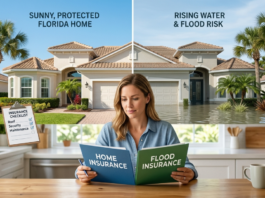
Renters often assume flood insurance is only for homeowners. After all, if you rent an apartment, condo, duplex, townhouse, or single-family home, you do not own the building. So it may seem like flood insurance is the landlord’s responsibility.
But, GreatFlorida Insurance knows that is only partly true.
Your landlord may be responsible for insuring the building, but your landlord’s insurance usually does not protect your personal belongings. If floodwater damages your furniture, clothing, electronics, mattress, kitchen items, books, sports gear, or other possessions, you may be responsible for replacing those items yourself unless you have the right coverage.
That leads to an important question: Do renters need flood insurance?
For many Florida renters, the answer is yes, or at least it is worth seriously considering. Standard renters insurance usually does not cover flood damage. FEMA’s National Flood Insurance Program explains that most homeowners, renters, and business insurance policies do not cover flood damage, which is why flood insurance is a separate layer of protection. The Insurance Information Institute also states that standard homeowners and renters insurance does not cover flood damage.
In Florida, where renters may face hurricanes, tropical storms, storm surge, heavy rainfall, overflowing canals, drainage issues, and flash flooding, this distinction matters.
Renters Insurance vs. Flood Insurance
Renters insurance and flood insurance are two different types of coverage.
A renters insurance policy may help protect your personal belongings from covered losses such as fire, theft, vandalism, certain types of water damage, smoke damage, or wind damage, depending on the policy. It may also provide liability coverage and additional living expense coverage if your rental becomes unlivable after a covered loss.
Flood insurance is different. Flood insurance is designed to help cover flood damage caused by rising or accumulating water. For renters, flood insurance is usually purchased as contents-only flood insurance, meaning it protects personal belongings rather than the building itself.
FEMA’s renter-focused flood insurance guidance explains that flood insurance for renters will not cover the building itself because that is the property owner’s responsibility, but it can cover personal items inside the rental unit, such as furniture, appliances, and clothing.
That is the key point: renters insurance and flood insurance can work together, but they do not cover the same risks.
What Counts as Flood Damage?
Flood damage generally involves water that comes from outside and rises or accumulates before entering the rental home, apartment, or unit.
Examples may include:
Storm surge from a hurricane or tropical storm.
Heavy rain that accumulates outside and enters through doors, walls, or the foundation.
Water from an overflowing canal, lake, pond, river, bay, or drainage system.
Flash flooding after intense rainfall.
Floodwater entering a first-floor apartment, garage apartment, or ground-level rental.
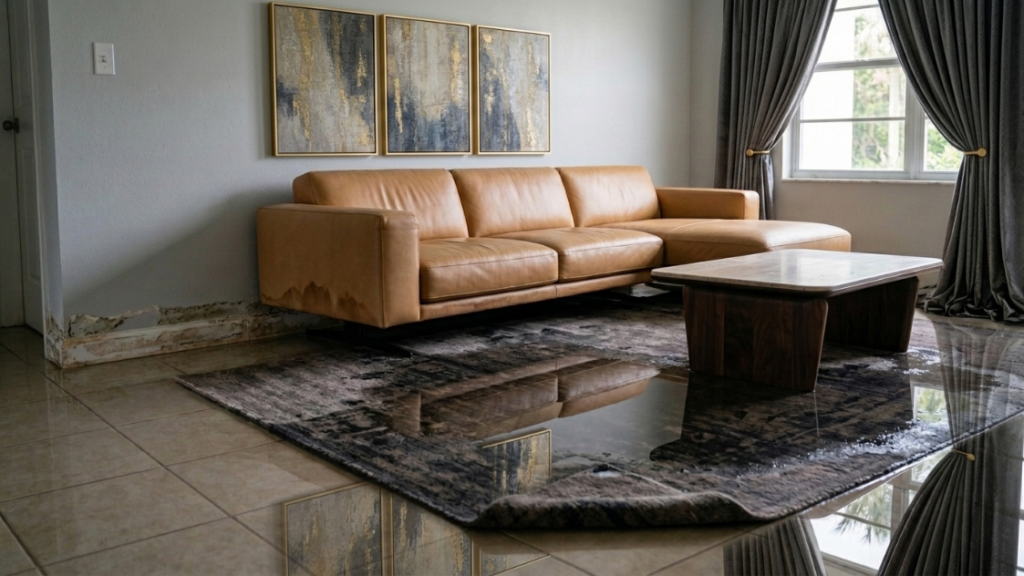
Floodwater damaging furniture, rugs, clothing, electronics, appliances, or boxes stored near the floor.
This is different from some types of internal water damage. For example, if a pipe suddenly bursts inside your apartment, renters insurance may respond, depending on the policy. But if water rises from outside and enters the unit, flood insurance is usually needed.
Does Renters Insurance Cover Flood Damage?
Usually, no.
This is one of the most common misunderstandings renters have. Renters insurance can be valuable, but it usually does not cover flood damage. The Insurance Information Institute specifically notes that renters insurance does not cover floods or earthquakes and that flood coverage is available through the National Flood Insurance Program and some private insurers.
That means a renter could have a renters insurance policy and still have no coverage for belongings damaged by storm surge or floodwater.
For example, renters insurance may help if someone steals your laptop or if a kitchen fire damages your belongings. But if floodwater enters your apartment during a hurricane and destroys your couch, mattress, clothes, and electronics, your renters policy may not cover those items.
To protect belongings from flood damage, renters typically need a separate flood insurance policy.
Does the Landlord’s Insurance Cover a Renter’s Belongings?
Usually, no.
A landlord’s insurance policy generally protects the building, not the tenant’s personal belongings. If a rental building floods, the landlord’s insurance or flood policy may help repair the structure, walls, flooring, or building systems, depending on the coverage. But it typically does not replace the tenant’s furniture, electronics, clothing, or other personal property.
FEMA’s renter flood insurance materials explain that a renter’s landlord will not replace the renter’s property after flood damage.
This is why renters should not assume that “the building has insurance” means their belongings are protected.
What Does Renters Flood Insurance Cover?
For renters, flood insurance usually focuses on contents coverage.
Contents coverage may help protect personal belongings such as:
Furniture
Clothing
Electronics
Portable appliances
Curtains
Area rugs
Kitchen items
Some valuables, subject to limits
Washer and dryer, if owned by the tenant
Freezer and food freezer contents, depending on policy terms
Books, decor, and household goods
Coverage depends on the policy, limits, and exclusions. Renters should ask whether coverage is replacement cost or actual cash value. Actual cash value may factor in depreciation, while replacement cost may provide more help replacing damaged belongings with similar new items, depending on the policy.
Renters should also ask whether items stored in basements, garages, storage closets, screened areas, or ground-level storage units are covered, because flood policies may limit coverage in certain areas.
What Does Renters Flood Insurance Not Cover?
Flood insurance does not cover everything. For renters, a contents-only flood policy may not cover the building, walls, flooring owned by the landlord, landscaping, vehicles, cash, certain valuables, or temporary housing expenses.
This is important because some renters assume flood insurance works like renters insurance. It may not.
A renters insurance policy may include additional living expense coverage if a covered loss makes the rental unlivable. But a standard flood policy may not cover temporary housing or hotel costs. Renters should ask about this directly before buying coverage.
A flood policy may also have limits for certain items or exclusions for belongings stored in areas below the lowest elevated floor. Policy terms matter.
Why Florida Renters Should Pay Attention
Florida renters face flood risk in many places, not just beachfront communities.
Flooding can happen in coastal apartments, inland neighborhoods, older rental homes, low-lying areas, mobile home communities, canal neighborhoods, ground-floor condos, downtown areas, and places with poor drainage.
Hurricanes and tropical storms can create storm surge near the coast, but inland rainfall can also overwhelm stormwater systems. Even renters who are not in a high-risk flood zone can experience flooding.
FEMA’s FloodSmart program notes that flood events are common and that flood insurance is available because standard homeowners, renters, and business insurance generally does not cover flood damage.
For Florida tenants, the question is not only, “Am I required to have flood insurance?” The better question is, “Could I afford to replace my belongings if my rental flooded?”
Do Renters Need Flood Insurance If They Live Upstairs?
Renters who live on an upper floor may have less flood exposure than renters in a ground-floor unit, but that does not mean the risk is zero.
If you live on the second, third, or higher floor, floodwater may be less likely to reach your personal belongings. However, flood damage to the building could still make your unit inaccessible or unlivable. Elevators, electrical systems, parking areas, storage rooms, ground-floor common areas, and building utilities could be affected.
A contents-only flood policy may be more important for renters on lower floors, but upstairs renters should still think through their risk. If you store belongings in a ground-floor storage unit, garage, carport, or shared storage area, those items may be more vulnerable.
How much could you save on Florida Renters Insurance? It takes two minutes to find out.
Get a Free QuoteDo Renters Need Flood Insurance Outside a Flood Zone?
Many renters think flood insurance is only necessary if they live in a high-risk flood zone. That is not always true.
Flood zones are useful, but they do not eliminate risk outside the mapped high-risk areas. Flooding can happen from heavy rainfall, stormwater backup, clogged drains, new development, overflowing retention ponds, or changing weather patterns.
Also, renters may not always know the flood history of the property. A landlord may not explain whether the unit has flooded before, whether the street floods, or whether drainage is a recurring issue.
Renters should check the property’s flood zone, ask about past flooding, look at the unit’s elevation, and consider how close the property is to water, canals, bays, rivers, ponds, or low-lying streets.
How Much Flood Insurance Can Renters Buy?
Renters typically buy contents-only coverage. Under the National Flood Insurance Program, renters can purchase coverage for personal belongings up to the program’s contents limit. FEMA’s renter flood insurance resources note that renters can purchase contents-only flood insurance to protect their belongings.
Private flood insurance may also be available in some areas. Private policies may offer different limits, different underwriting rules, or additional coverage options. Renters should compare NFIP and private flood options with an insurance agent.
The right amount of coverage depends on the value of your belongings. Many renters underestimate how much it would cost to replace everything after a flood.
Think about the total cost of:
Bedroom furniture
Living room furniture
Kitchen supplies
Clothing and shoes
Laptop and electronics
TVs and gaming systems
Small appliances
Work equipment
Children’s items
Sports equipment
Decor
Books
Linens and towels
A home inventory can help you choose a realistic coverage limit.
How Much Does Renters Flood Insurance Cost?
The cost of renters flood insurance depends on several factors, including location, flood risk, coverage amount, deductible, building characteristics, elevation, and whether coverage is purchased through the NFIP or a private insurer.
For some renters, contents-only flood insurance may be relatively affordable compared with the cost of replacing damaged belongings. For others, especially in high-risk flood areas, premiums may be higher.
The best way to know the cost is to request a quote for your specific rental address and contents coverage amount.
When comparing quotes, ask:
What is the annual premium?
What deductible applies?
What contents limit is included?
Are belongings covered at replacement cost or actual cash value?
Are items in storage areas covered?
Is temporary housing included or excluded?
Is there a waiting period?
Does the policy cover basement or ground-level storage?
Do not compare only the price. Compare what the policy actually covers.
Waiting Periods Matter
Renters should not wait until a hurricane is in the forecast to buy flood insurance.
NFIP flood insurance policies often have a waiting period before coverage takes effect, with limited exceptions. Private flood policies may have different waiting periods, but they also may not be available immediately before a storm.
This matters in Florida because many people think about flood insurance only when a storm is approaching. By then, it may be too late to buy coverage for that storm.
The best time to review flood insurance is when you move into a rental, renew your lease, before hurricane season, or during your annual insurance review.
Renters Flood Insurance and Hurricanes
Hurricanes are one of the main reasons Florida renters should consider flood insurance.
A hurricane can cause several types of damage:
Wind damage
Roof damage
Rain entering through storm-created openings
Storm surge
Rising water
Overflowing canals or drainage systems
Power outages
Mold and moisture damage after flooding
Renters insurance may respond to some covered wind-related losses, depending on the policy. But flood damage from storm surge or rising water usually requires flood insurance.
This is especially important for renters in coastal communities, barrier islands, waterfront areas, ground-floor apartments, and low-lying neighborhoods.
What About Cars, Bikes, and Belongings in Storage?
Flood insurance for renters usually protects contents inside the rental unit, subject to the policy terms. It generally does not cover vehicles. If your car floods, that is usually handled through comprehensive coverage under your auto insurance policy, if you carry it.
Bikes, scooters, paddleboards, tools, and other property may or may not be covered depending on where they are stored and how the policy defines covered contents. Items in a garage, storage room, shed, or common area may have limitations.
Renters should ask about specific items they care about, especially if they store valuables near ground level.
Questions Renters Should Ask Before Buying Flood Insurance
Before deciding whether to buy flood insurance, renters should ask:
Does my renters insurance exclude flood damage?
Is my rental unit on the ground floor?
Has the property flooded before?
Is the building in or near a flood zone?
Is there storm surge risk?
Are there canals, ponds, rivers, or drainage areas nearby?
How much would it cost to replace my belongings?
Does my landlord have flood insurance for the building?
Would the landlord’s policy cover my property?
Can I buy contents-only flood insurance?
What deductible applies?
Is temporary housing covered or excluded?
Is there a waiting period?
These questions can help renters make a practical decision.
Who Most Needs Renters Flood Insurance?
Renters should especially consider flood insurance if they live in:
A ground-floor apartment
A basement or lower-level unit
A coastal rental
A barrier island community
A home near a canal, bay, river, lake, or retention pond
A neighborhood with poor drainage
A mobile or manufactured home
A flood zone
A property that has flooded before
An area affected by hurricanes or storm surge
A rental where belongings are stored near floor level
However, even renters outside these categories may want coverage if replacing their belongings would be financially difficult.
Final Thoughts
So, do renters need flood insurance?
Many Florida renters should at least consider it. Standard renters insurance usually does not cover flood damage, and the landlord’s insurance usually does not protect the tenant’s personal belongings. If floodwater damages your furniture, clothing, electronics, mattress, and household items, you may be responsible for replacing them yourself unless you have contents-only flood insurance.
Renters flood insurance can help protect personal belongings from covered flood damage caused by rising or accumulating water. It is especially important for renters in ground-floor units, coastal areas, low-lying neighborhoods, flood zones, and hurricane-prone communities.
The best approach is to review your renters insurance, ask whether flood is excluded, estimate the value of your belongings, check your property’s flood risk, and compare contents-only flood insurance options before storm season.
A GreatFlorida Insurance agent can help you compare renters insurance and flood insurance, explain what each policy covers, and help you decide whether flood coverage makes sense for your rental situation.
Ready to save on Florida Renters Insurance?
GreatFlorida Insurance Agents compare rates from Florida's best carriers for you.
Get a Free QuoteOr call 888.478.7801