

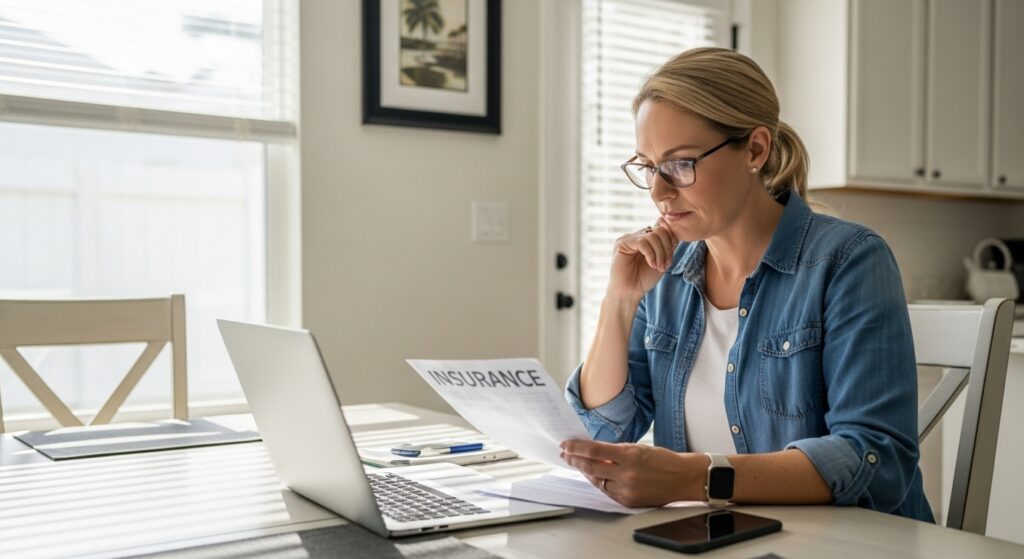
Homeowners insurance exists to protect people during difficult moments—but those same moments can attract scammers. In Florida, insurance scams are especially common after storms, during home repairs, and when consumers feel rushed or overwhelmed.
From fake contractors and impersonated adjusters to phishing emails and pressure tactics, insurance scams can cost Floridians thousands of dollars and complicate legitimate claims. Understanding how these scams work is the first step toward avoiding them.
Why Florida Is a Target for Insurance Scams
Florida’s geography, weather patterns, and insurance landscape make it a frequent target for fraud.
- Frequent hurricanes and severe storms create urgent repair needs
- Large numbers of seasonal residents and renters increase vulnerability
- Complex insurance policies can be confusing under stress
- High repair costs make “too good to be true” offers tempting
Scammers often rely on urgency, fear, and confusion to push victims into quick decisions. Learn more about how insurance fraud and scams work at, Insurance Information Instituite, III.
Common Insurance Scams in Florida
1. Storm-Chasing Contractors
After a storm, unlicensed or dishonest contractors may go door-to-door offering immediate repairs. They often promise to “handle the insurance claim” or pressure homeowners to sign contracts on the spot.
Red flags include:
- Asking for full payment upfront
- Refusing to provide license or insurance information
- Creating urgency or fear-based pressure
- Offering to waive deductibles (often illegal)
2. Assignment of Benefits (AOB) Abuse
Some scams involve asking homeowners to sign documents that transfer insurance rights to a third party. While AOB agreements can be legitimate, they can also be abused.
Once signed, the contractor or vendor may control the claim and billing—sometimes leading to inflated costs or disputes.
3. Fake Insurance Adjusters
Scammers may pose as insurance adjusters, especially after major disasters. They may ask for personal information, photos, or even payment to “expedite” a claim.
Legitimate adjusters will always carry identification and never ask for money.
4. Phishing Emails and Fake Calls
Emails, texts, or phone calls claiming to be from your insurer may request personal or payment information. These messages often look official but contain subtle errors.
Never click links or share information unless you’ve independently verified the source.
5. Fake Insurance Policies or Agents
Some scammers sell fake or nonexistent insurance policies, especially online. Victims may not discover the fraud until they attempt to file a claim.
Always verify agents and policies through trusted channels.
6. Overbilling and Inflated Repair Claims
Even when work is completed, some bad actors inflate invoices or bill for unnecessary repairs. This can trigger claim disputes or policy cancellations.
How Insurance Scams Can Hurt You
Insurance scams don’t just cost money—they can create long-term problems.
- Delayed or denied insurance claims
- Out-of-pocket repair costs
- Coverage cancellations or non-renewals
- Identity theft and financial fraud
- Legal disputes
In many cases, victims are left with incomplete repairs and limited recourse.
How to Protect Yourself From Insurance Scams
Slow Down
Scammers rely on urgency. Take time to review documents, get second opinions, and ask questions.
Verify Before You Trust
Confirm licenses, insurance credentials, and identities. Don’t rely on logos, uniforms, or business cards alone.
Never Pay Upfront in Full
Reputable contractors typically require partial payments tied to completed work.
Don’t Sign What You Don’t Understand
Read contracts carefully—especially anything involving claim rights or benefits.
Work Through Trusted Channels
Contact your insurance company or agent directly to confirm next steps.
What To Do If You Suspect an Insurance Scam
- Stop communication immediately
- Do not send money or documents
- Document interactions and save messages
- Report the activity to appropriate authorities
Prompt reporting can help protect others and preserve your options. Report suspected insurance fraud to the Florida Department of Financial Services.
How a Trusted Agent Helps Prevent Scams
One of the best defenses against insurance scams is working with a trusted, local insurance agent.
An agent can:
- Confirm legitimate claims processes
- Help verify contractors or adjusters
- Explain what your policy does and doesn’t cover
- Guide you through next steps after a loss
Frequently Asked Questions (FAQ)
1. What are the most common insurance scams in Florida?
Storm-chasing contractors, fake adjusters, phishing messages, AOB abuse, and fake insurance policies are among the most common.
2. How can I tell if a contractor is legitimate?
Verify licenses, ask for references, avoid pressure tactics, and never pay in full upfront.
3. Are insurance scams more common after storms?
Yes. Scams often spike after hurricanes, floods, and severe weather events.
4. Should I sign an Assignment of Benefits agreement?
Only after fully understanding it and discussing it with your insurance company or agent.
5. Will my insurance company ever ask for payment?
No. Insurers do not ask for payment to process or speed up claims.
6. How do phishing insurance emails work?
They imitate insurers and request personal or payment information through fake links.
7. Can scams affect my insurance coverage?
Yes. Fraudulent claims or inflated repairs can lead to claim denials or policy issues.
8. What should I do if I gave information to a scammer?
Contact your insurer, monitor accounts, and report the incident immediately.
9. Are renters also targeted by insurance scams?
Yes. Renters may face scams involving fake policies, theft claims, or phishing.
10. Who can help me avoid insurance scams?
A trusted insurance agent can help verify processes and guide you safely.
Bottom Line
Insurance scams thrive on urgency and confusion—but knowledge is a powerful defense. By slowing down, verifying information, and working with trusted professionals, Florida homeowners and renters can protect themselves from costly mistakes.
If something feels off, trust your instincts and contact your local GreatFlorida Insurance agent before taking action.