Securing homeowners insurance in Florida has become increasingly difficult as insurers tighten underwriting standards. With rising hurricane risk, aging homes, and increased claim costs, insurance companies are carefully evaluating which properties they are willing to insure—and many homes are being declined.
If you’re buying a home, renewing a policy, or struggling to find coverage, understanding what disqualifies a home from homeowners insurance in Florida can help you avoid costly surprises.
Why Homes Get Denied for Insurance in Florida
Insurance companies base their decisions on risk. In Florida, where hurricanes, windstorms, and flooding are common, even small issues can lead to denial. Insurers typically evaluate:
- The condition and age of the home
- Roof type and remaining life
- Electrical, plumbing, and HVAC systems
- Location and environmental exposure
- Claims history (both property and homeowner)
Because of these factors, underwriting guidelines in Florida are stricter than in most other states.
Top Reasons a Home Is Disqualified from Coverage
1. Old or Failing Roof
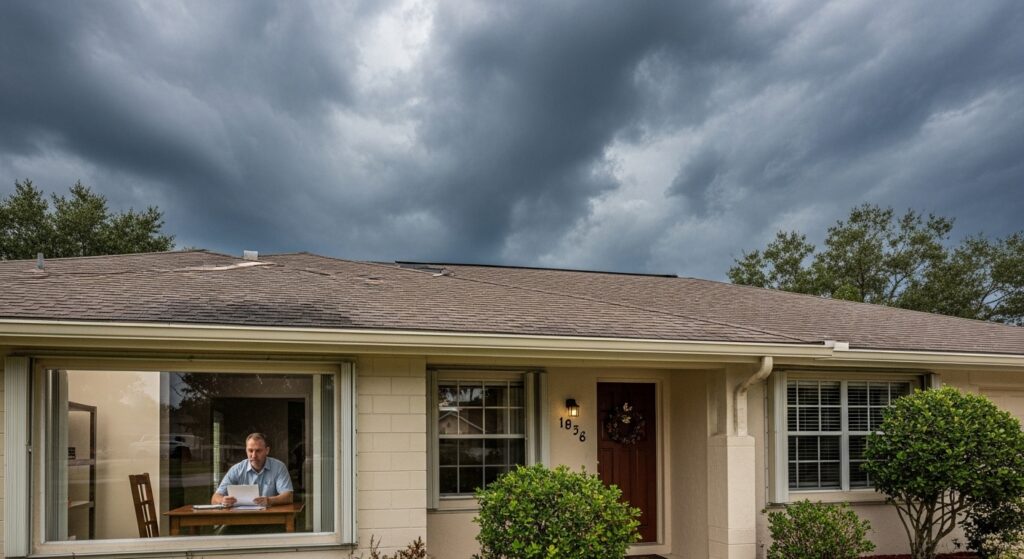
The roof is the most critical factor for insurers in Florida. Many companies will decline homes with:
- Shingle roofs older than 15–20 years
- Tile or metal roofs older than 25–30 years
- Visible wear, leaks, or storm damage
Even if your roof is not leaking, insurers may still deny coverage if it’s near the end of its expected lifespan. In many cases, you’ll be required to replace the roof before a policy is issued.
2. Outdated Electrical Systems
Older electrical systems increase the risk of fire. Homes may be disqualified if they have:
- Knob-and-tube wiring
- Aluminum wiring (common in homes built in the 1960s–70s)
- Federal Pacific or Zinsco electrical panels
Upgrading the electrical system is often required before approval.
3. Problematic Plumbing Systems
Water damage claims are extremely costly, making plumbing a major concern. Red flags include:
- Polybutylene piping
- Cast iron pipes nearing failure
- Frequent leaks or prior water damage
Some insurers will require full repiping before issuing coverage.
4. Prior Claims History
Insurance companies review both the property’s history and the homeowner’s claims record through databases like CLUE. Homes may be declined if there are:
- Multiple claims within 3–5 years
- Previous mold or water damage claims
- Open or unresolved claims
You can learn more about how claims impact eligibility from the Federal Trade Commission’s homeowners insurance guide.
5. High-Risk Location
Location plays a significant role in insurability. Homes may be harder to insure if they are:
- Located on the coast or barrier islands
- In high flood-risk zones
- In areas with limited access for emergency services
While flood insurance is typically separate, being in a flood zone can still affect your ability to get standard homeowners coverage. Visit Floodsmart.gov to understand your flood risk.
6. Poor Maintenance or Structural Issues
Visible signs of neglect can immediately disqualify a home. Inspectors and underwriters look for:
- Foundation cracks or settlement issues
- Roof sagging or structural damage
- Rotting wood, mold, or mildew
- Peeling paint or deteriorating siding
Even minor issues can signal larger risks to insurers.
7. Unpermitted Renovations
Any additions or upgrades completed without proper permits can create major problems. Insurers may deny coverage because:
- The work may not meet building codes
- Structural integrity cannot be verified
- Liability risks are higher
Always ensure renovations are properly permitted and documented.
8. Certain Dog Breeds or Liability Risks
Some insurers restrict or exclude coverage for certain dog breeds considered higher risk. Others may deny coverage if there is a history of aggressive behavior.
9. Vacant or Unoccupied Homes
Homes that are vacant for extended periods are more vulnerable to vandalism, theft, and unnoticed damage. Standard policies often exclude vacant homes unless you purchase a specialty policy.
10. Lack of Wind Mitigation Features
Florida insurers strongly favor homes with wind-resistant features, including:
- Hurricane shutters or impact windows
- Roof-to-wall connections (hurricane clips or straps)
- Secondary water resistance barriers
A wind mitigation inspection can improve both eligibility and pricing.
11. Age of the Home Without Updates
Older homes—especially those built before 1980—are not automatically uninsurable. However, they must have updated:
- Roof
- Electrical system
- Plumbing
- HVAC system
Without these updates, many insurers will decline coverage.
How much could you save on Florida Homeowners Insurance? It takes two minutes to find out.
Get a Free QuoteWhat Happens If Your Home Is Denied?
If your home is disqualified, you still have options:
- Make repairs or upgrades required by the insurer
- Shop with multiple carriers through an independent agent
- Explore surplus lines or specialty insurers
- Consider Citizens Property Insurance, Florida’s insurer of last resort
How to Improve Your Home’s Insurability
If you’re planning to buy or insure a home in Florida, taking proactive steps can make a big difference:
- Replace an aging roof before applying
- Upgrade outdated electrical or plumbing systems
- Complete a wind mitigation inspection
- Fix visible maintenance issues
- Ensure all renovations are permitted
These improvements not only help you qualify for coverage but can also lower your premium.
Final Thoughts
Florida’s insurance market is more selective than ever, but understanding what disqualifies a home gives you a clear path forward. By addressing risk factors early, you can avoid denial and secure the protection your home needs.
GreatFlorida Insurance is here to help guide you in the process of finding the right homeowners insurance for you.
For additional guidance, explore our resources on Florida homeowners insurance coverage and what homeowners insurance covers.
Frequently Asked Questions
1. Can I get homeowners insurance with an old roof in Florida?
Possibly, but most insurers require roofs under 15–20 years old unless they pass an inspection or are certified for additional life.
2. What type of plumbing will disqualify a home?
Polybutylene and failing cast iron plumbing are common reasons for denial due to high water damage risk.
3. How many claims are too many for homeowners insurance?
Typically, more than one or two claims within 3–5 years can make it difficult to obtain coverage.
4. Can I insure a home in a flood zone in Florida?
Yes, but you will likely need a separate flood insurance policy in addition to homeowners insurance.
5. What is Citizens Property Insurance?
Citizens is a state-backed insurer that provides coverage when private insurers decline a home.
6. Do unpermitted renovations affect insurance eligibility?
Yes, they can lead to denial because insurers cannot verify safety or code compliance.
7. Are older homes uninsurable in Florida?
No, but they must have updated systems like roof, plumbing, and electrical to qualify.
8. Does wind mitigation really help?
Yes, it can significantly improve eligibility and reduce premiums.
9. Can I get insurance after being denied?
Yes, by making repairs, working with specialty insurers, or applying through Citizens.
10. What is the fastest way to make my home insurable?
Replacing the roof and updating major systems are typically the most impactful steps.
Ready to save on Florida Homeowners Insurance?
GreatFlorida Insurance Agents compare rates from Florida's best carriers for you.
Get a Free QuoteOr call 888.478.7801