


Most people don’t wake up one day and decide it’s time to replace their car. Instead, the decision usually creeps in slowly—more repairs, less confidence on long drives, or that nagging feeling that your vehicle just isn’t as reliable as it used to be.
Replacing a car is both a financial and emotional decision. While some drivers keep a vehicle for decades, others find that safety, cost, or lifestyle changes make replacement the smarter option.
This guide walks through the most common signs it may be time to replace your car, how to think about repair costs versus value, and how auto insurance considerations fit into the decision.
There’s No Single “Right Time” to Replace a Car
Cars don’t expire on a set date. A well-maintained vehicle can last many years, while another may become unreliable much sooner.
Instead of focusing on age alone, it’s more helpful to look at a combination of safety, reliability, cost, and how well the car fits your current life.
Sign #1: Repair Costs Are Becoming Frequent or Expensive
Occasional maintenance is normal. Replacing brake pads, tires, or a battery doesn’t automatically mean your car is “done.”
However, it may be time to consider replacement if:
- You’re facing repeated major repairs within a short time period
- Repair costs approach or exceed the car’s market value
- You’re regularly fixing new problems instead of maintaining existing ones
A common rule of thumb is the 50% rule: if a repair costs more than half the vehicle’s value, replacement may be the better long-term choice.
Sign #2: Reliability Is No Longer Trustworthy
A car that starts every morning and handles daily driving needs inspires confidence. When that reliability fades, stress increases—especially for commutes, family travel, or long trips.
Warning signs include:
- Frequent breakdowns or warning lights
- Overheating or stalling issues
- Electrical problems that are hard to diagnose
If you hesitate before every long drive, that’s often a sign your car no longer meets your needs.
Sign #3: Safety Features Are Outdated
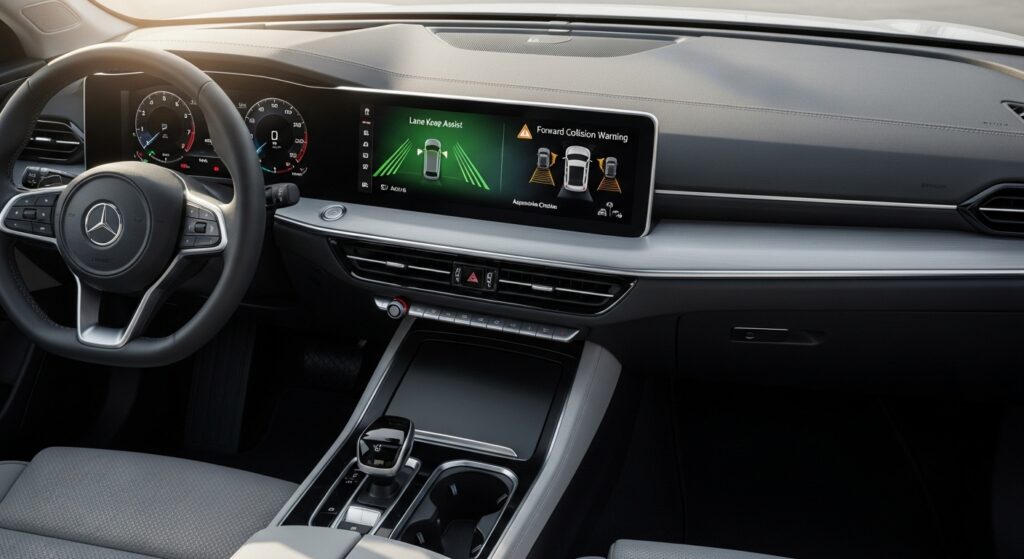
Vehicle safety technology has improved dramatically over the past decade. Many newer vehicles include features that weren’t standard—or even available—on older models.
Examples include:
- Automatic emergency braking
- Lane departure warnings
- Blind-spot monitoring
- Advanced airbag systems
The National Highway Traffic Safety Administration highlights how modern safety features reduce injury risk in accidents, NHTSA Road Safety Overview .
If your car lacks basic safety technology, replacing it may significantly improve protection for you and your passengers.
Sign #4: Your Lifestyle Has Changed
Cars that worked perfectly at one stage of life may not fit the next.
Common lifestyle changes that trigger replacement include:
- Growing family and car seat needs
- Longer commutes or new job requirements
- Moving to a new climate or region
- Changes in physical comfort or accessibility needs
A vehicle should support your daily life—not complicate it.
Sign #5: Fuel Efficiency No Longer Makes Sense
Older vehicles are often significantly less fuel-efficient than modern models. Over time, higher fuel costs can quietly erode your budget.
If fuel expenses feel disproportionate compared to newer alternatives, upgrading may reduce ongoing costs—even if the purchase price is higher.
Sign #6: Insurance Costs Are Out of Balance
Insurance plays a role in the replacement decision, especially as cars age.
Older vehicles may:
- Lack comprehensive or collision coverage because the value is low
- Be harder to repair due to parts availability
- Offer limited claim protection in serious accidents
Conversely, newer vehicles may qualify for discounts due to advanced safety features.
According to the Insurance Institute for Highway Safety, vehicles with modern crash-avoidance technology experience fewer and less severe claims, IIHS Vehicle Safety Ratings .
Sign #7: You’re Planning for the Inevitable Anyway
Some drivers know replacement is coming—they’re just delaying it. Planning ahead often leads to better decisions, better financing options, and fewer compromises.
Replacing a car on your timeline is usually less stressful than being forced into a purchase after a breakdown or accident.
When Keeping Your Car Still Makes Sense
Not every aging vehicle needs to be replaced. Keeping your car may make sense if:
- It’s reliable and well-maintained
- Repair costs are predictable and manageable
- You’re comfortable with its safety features
- Your insurance coverage still fits your needs
The goal isn’t to replace cars prematurely—but to avoid waiting too long.
How Insurance Fits Into the Decision
Before replacing your car, it’s smart to consider how a new or different vehicle will affect your auto insurance.
Factors include:
- Vehicle value and coverage needs
- Safety features and available discounts
- Liability limits and financial exposure
Reviewing auto insurance options ahead of time helps avoid surprises after purchase.
FAQs: When to Replace Your Car
1) How many miles is too many for a car?
There’s no universal mileage limit, but reliability often declines after 150,000–200,000 miles depending on maintenance.
2) Is it better to repair or replace my car?
If repairs are frequent or cost more than half the car’s value, replacement may be the better option.
3) Should I replace my car before it breaks down?
Planning ahead often leads to better choices than waiting for a breakdown.
4) Do newer cars cost more to insure?
Not always. Newer safety features may offset higher vehicle values through insurance discounts.
5) Does car age affect insurance coverage options?
Yes. Older cars may no longer justify comprehensive or collision coverage.
6) How do safety features affect insurance?
Advanced safety features can reduce accident risk and may lower premiums.
7) Is it worth replacing a paid-off car?
It depends on reliability, safety, and ongoing costs—not just the absence of a loan.
8) Can lifestyle changes justify replacing a car?
Yes. Changes in family size, commuting, or physical needs often drive replacement decisions.
9) Should I talk to my insurance agent before buying a car?
Yes. Understanding insurance costs beforehand helps you budget accurately.
10) How can a GreatFlorida agent help?
A GreatFlorida Insurance agent can review auto insurance coverage options, explain cost differences, and help ensure your new vehicle is properly insured.