


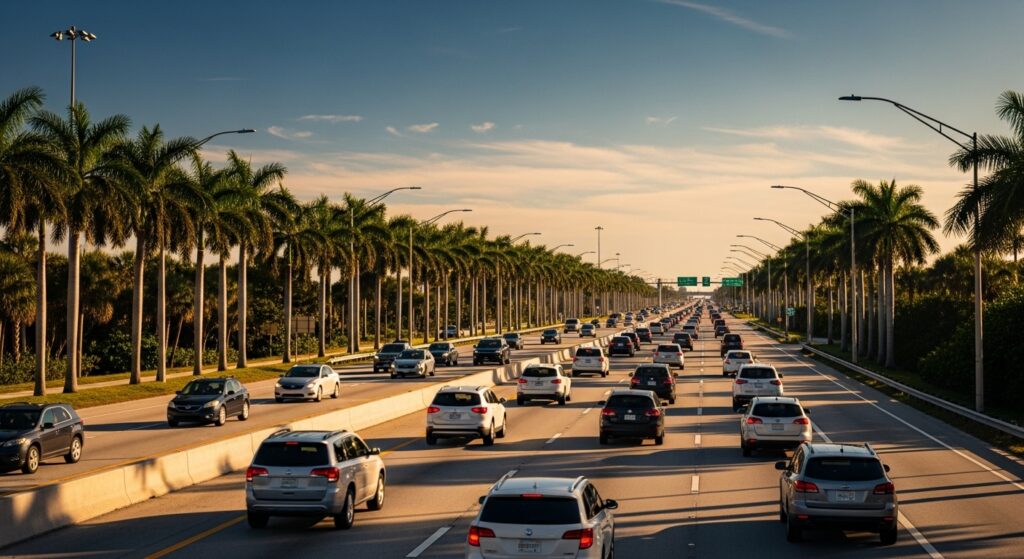
Every January, Florida experiences one of the most dramatic increases in roadway traffic of the entire year. Whether you’re commuting to work, exploring Florida’s beaches, or simply running errands, you’ve likely noticed the packed freeways, fuller parking lots, and much heavier congestion. This surge is more than just an inconvenience—it plays a major role in accident rates, insurance claims, and policy needs for Florida drivers.
What Causes Florida’s January Traffic Surge?
The state becomes a national travel magnet in the winter months, making January a uniquely busy period for roadways. Several factors contribute to this spike:
- Seasonal tourism and vacation travel — Florida is a top winter destination for families and retirees.
- Snowbirds arriving from northern states — many stay from January to April and bring additional vehicles.
- New Year events and holiday travel hangover — sports events, festivals and theme-park attendance peak.
- College move-ins and spring semesters — additional traffic across major college towns.
- Relocation season — many families move to Florida at the start of the year to align with school schedules and jobs.
How January Traffic Impacts Drivers
Higher traffic volume leads to more roadway risk. Florida highway officials report noticeable increases during January in:
- Rear-end collisions from stop-and-go congestion
- Side-swipe collisions in busy tourist areas
- Minor fender benders in parking lots and garages
- Distracted-driving incidents from unfamiliar tourists
Because many seasonal drivers are unfamiliar with Florida roadways, accident rates and insurance claims trend higher during this month.
Protecting Yourself During Florida’s Busiest Driving Month
A few smart actions dramatically reduce risk during January:
- allow extra time for driving and parking
- stay alert in tourist corridors and near beaches
- use defensive driving techniques in heavy traffic
- confirm that your car insurance coverage limits are current and adequate
Drivers who carry only minimum coverage are especially vulnerable if an accident occurs with an uninsured or underinsured tourist.
When to Review Your Auto Insurance Policy
January is one of the best times to update or compare policies because:
- traffic risk is highest
- seasonal residents add more vehicles to Florida roads
- insurance providers may offer discounts for early-year updates
FAQs About January Traffic in Florida
Why is traffic so heavy in Florida in January?
Florida sees massive increases in tourism, seasonal residents, and winter travel in January. Snowbirds, vacationers, theme-park visitors, and college students all contribute to some of the busiest roadways of the year.
Which parts of Florida experience the most January traffic?
The heaviest congestion occurs in Sarasota, Tampa Bay, Orlando, Miami, Naples, Fort Myers, Daytona Beach, and major theme-park and beach corridors.
Does accident risk increase on Florida roads in January?
Yes. Florida sees higher rates of fender benders, side-swipes, rear-end collisions and distracted driving incidents during January due to high traffic volume and unfamiliar tourist drivers.
Should drivers update car insurance before January?
Reviewing or upgrading car insurance before January is recommended because insurance claims rise and minimum coverage may not fully protect drivers in high-traffic months.
Are Florida snowbirds required to have Florida auto insurance?
Yes. Seasonal residents who bring a vehicle to Florida for extended stays must typically carry Florida-based auto insurance that complies with state requirements.
Does Florida traffic impact insurance prices?
Florida’s high accident rate and seasonal traffic congestion contribute to some of the highest auto insurance costs in the country.
How can Florida drivers stay safe during January traffic?
Allow extra travel time, avoid peak tourist routes when possible, drive defensively, watch for sudden stops and review insurance coverage to ensure sufficient protection.
When does Florida traffic return to normal levels?
Traffic remains elevated through March and April but begins to decrease once seasonal residents return north for spring.
Is this traffic surge statewide or only in major cities?
It is statewide. Even smaller coastal communities and inland towns experience heavier driving conditions during January due to seasonal population increases.