


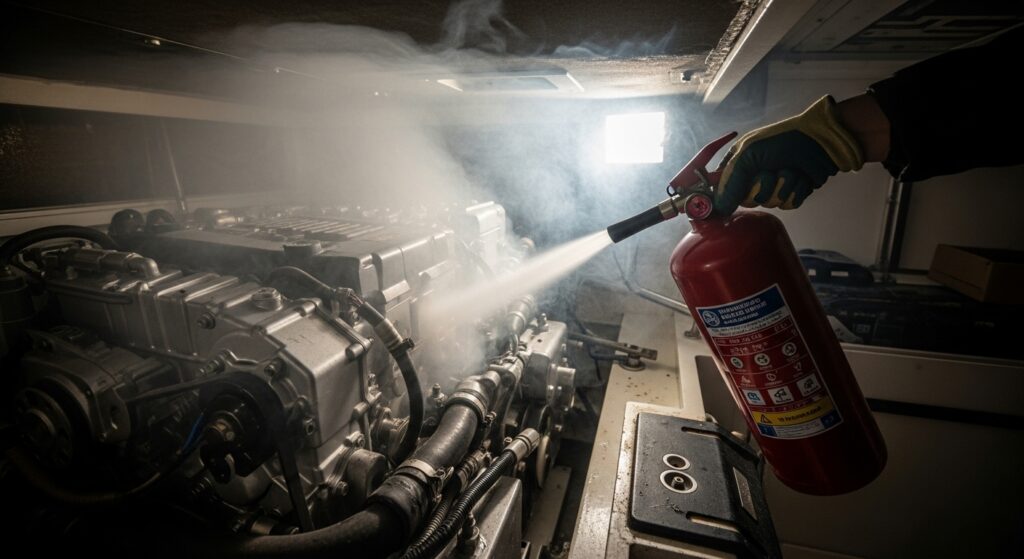
Owning a boat in Florida offers unmatched freedom — from Gulf-Coast sunset cruises to inland-lake fishing trips. But one of the most under-appreciated risks is the potential for a fire aboard. A fire on the water can escalate far faster than on land — smoke, toxic fumes, rapid structural compromise, and isolation from help all combine to make the situation dire.
Why Florida Boat Fires Demand Special Attention
Florida leads the nation in registered recreational vessels and in boating accidents. According to the Florida Fish and Wildlife Conservation Commission (FWC), the state publishes a detailed Boating Accident Statistical Report annually. While not all boating accidents involve fire, the conditions in Florida — warm water, heavy use, crowded marinas, tropical storms, and extended seasons — increase fire risk.
For example, local fire-rescue data from the South Florida region show boat-fire incidents rising: in one jurisdiction there were four boat fires in 2021, eleven in each of subsequent years, and 15 in 2024. This trend underscores that boat fires are not just rare “one-off” events—they deserve proactive attention.
Top Causes of Boat Fires in Florida
A voiding complacency starts with understanding why fires happen. According to data from boat safety organizations, common causes include:
- Engine compartment or exhaust system failure: Overheating, blocked raw-water intakes, failed impellers, or fuel leaks near a hot surface.
- Electrical system faults: Both DC and AC wiring may be original, corroded, or overloaded. Shore-power connections are a frequent culprit.
- Fuel system issues and bilge accumulation: Fuel vapors are highly flammable; many incidents trace to fuel leaks, vapor ignition, or inadequate ventilation.
- Marina-side / “external” ignition sources: Fires in adjacent boats, dock equipment, or shore power may spread to vessels. One review shows ~26 % of boat fires start “off the boat”.
- Lack of maintenance or outdated equipment: Older boats that haven’t had updated wiring, extinguishers, ventilation systems, or bilge blowers are at higher risk.
Why Boat Fires Escalate So Quickly
Compared to fires in a home or garage, boat fires face unique escalation factors in Florida:
- Toxic smoke from fiberglass hulls, gelcoat, wiring insulation.
- Rapid spread of flames through bilges, engine rooms, wiring conduits.
- Limited escape routes when at sea or in crowded marinas.
- Delayed response — depending on location, help may take longer.
- Water adds complexity: fire suppression may involve opening hatches, fighting vapors near fuel, risk of sinking.
Prevention Checklist for Florida Boat Owners
The good news: many boat fires are preventable. Here’s a tailored checklist for Florida owners:
- Annual engine-room inspection: Check raw-water pumps, ensure clear intakes, replace impellers every 1-2 years, monitor cooling system temperatures.
- Bilge and fuel-vapor management: Ensure fuel lines are secure, clamps are corrosion-free, vents are unobstructed, and bilges are clean of oil/fuel. Always run a bilge blower before starting an engine if required.
- Electrical wiring and shore-power inspection: Inspect wiring harnesses, shore-power cables, connectors for melting or cracking, confirm proper wiring for DC/AC systems.
- Install and maintain fire-extinguishing equipment: Carry the required number and type of extinguishers (per US CG regulations), know how to use them, and inspect them annually.
- Smoke detection, fire alarms, and emergency drills: Especially critical when overnighting on the boat or staying aboard in a marina.
- Marina conditions and neighbor risks: Choose a slip with safe electrical pedestals, good housekeeping practices nearby, and spaced apart docking to reduce fire-spread risk.
- Boating safety education: Take a certified boat-safety course; many insurers in Florida offer discounts and risk reduction for educated operators.
Insurance Implications for Boat Fires in Florida
For Florida boat owners, the fire risk has direct implications for insurance — both marine/boat insurance and personal liability. Here are key considerations:
- Coverage for fire damage: Many boat insurance policies include “comprehensive” or “all risk” coverage that protects against fire, explosion, and vandalism. If a fire destroys your boat, proper coverage ensures repair or replacement rather than full out-of-pocket loss. (See our guide: 2025 Guide to Boat Insurance in Florida)
- Liability risk in marina scenarios: If your boat fire spreads to others, causes injuries, or damages marina property, you may face significant liability. Ensuring your liability limits are adequate is crucial.
- Impact on homeowner or umbrella policies: If your boat fire impacts your dock, house, or other property, your homeowner’s policy or umbrella coverage may come into play. Make sure these policies coordinate properly.
- Maintenance and risk mitigation as underwriting factors: Insurers may ask about age of vessel, wiring/electrical systems, bilge blower compliance, fire detection/installations — good maintenance can reduce premiums or help avoid denial of claims.
- Storm and hurricane exposure: In Florida, boat owners should consider how hurricanes or tropical storms can complicate fire-risk (e.g., power loss, dock damage, debris). Review how your policy handles named-storm, flood, or wind damage scenarios alongside fire.
What to Do If Your Boat Catches Fire — Emergency Response Guide
Even the best prevention cannot guarantee zero risk. If your boat fire starts, follow a rapid response plan:
- Activate the engine-room bilge blower / ventilation if safe to do so and engine is off. Attempt to isolate fuel or electrical source if you can safely reach it.
- Sound the alarm aboard: alert all passengers, shut off fuel and electrical systems if trained to do so, head to life jackets and muster stations.
- Contact the US Coast Guard or local marine rescue via VHF channel 16 and provide your position. Note: even a fire near shore needs rapid help.
- Use fire extinguishers (correct type) to attack small fires, but **evacuate** immediately if the fire is spreading or you are uncertain. The toxicity and speed of maritime fires can overwhelm a vessel fast.
- Have an evacuation plan: life jackets, ditch bag, mobile phone/satellite communicator, and consider abandoning the vessel if necessary and safe. Ensure you have an EPIRB/PLB (Emergency Position Indicating Radio Beacon) aboard.
- After evacuation, ensure the fire department/marine rescue inspects the vessel before you attempt salvage or boarding. Your insurer may require a report for claim processing.
Case Study: Florida Vessel Fire That Could’ve Been Prevented
In 2018, the Island Lady (a 72-ft small passenger vessel located near Port Richey, Florida) suffered a fire that destroyed the vessel and caused injuries. The underlying cause was linked to inadequate cooling-water pump maintenance, lack of fire detection in the lazarette, and failed fuel-system safeguards. The lessons are clear: maintenance programs matter, detection systems matter, fuel-system design matters.
Wrapping Up: Smart Boating Means Smart Fire-Risk Management
If you own a boat in Florida, don’t treat fire as a “remote risk.” With the right maintenance program, onboard systems, insurance coverage, and emergency plan, you’ll significantly reduce the odds and be far better prepared if the event occurs.
✅ Ensure your engine room is inspected.
✅ Keep bilges and fuel lines clean.
✅ Update old wiring and shore-power systems.
✅ Stock the right extinguishers and carry detection/alarm systems.
✅ Review your insurance coverage for fire risk, liability, and storm complicators.
✅ Practice emergency drills and ensure your crew knows what to do.
The water is calling — enjoy it, but do so with respect for the risks. A proactive approach to fire prevention makes all the difference.
GreatFlorida Insurance can customize a boat insurance policy to protect your vessel and extend to your boating equipment in and out of the water. Give us a call today
Internal Links
- 2025 Guide to Boat Insurance in Florida – provides a full coverage breakdown for Florida boat owners. :contentReference[oaicite:19]{index=19}
- Average Cost of Homeowners Insurance in Florida – useful if your boat is docked at home and tied into your homeowner liability. :contentReference[oaicite:20]{index=20}