Condo ownership in Florida has always come with unique insurance considerations—but in today’s market, it’s more complex than ever. Rising premiums, stricter regulations, and shifting responsibilities between condo associations and unit owners are forcing many homeowners to rethink their coverage.
If you own—or are planning to buy—a condo in Florida, understanding how condo insurance works today is essential to protecting your investment and avoiding costly surprises.
Key Takeaways
- Condo HO-6 insurance covers interior structures, personal belongings, liability, and loss assessment from special assessments.
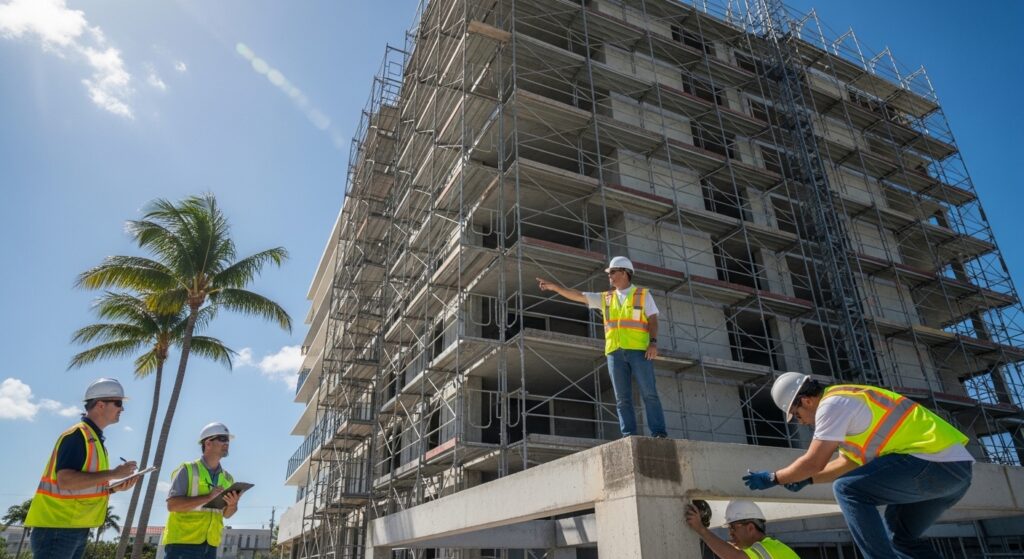
- Buildings three stories or higher must undergo structural inspections at 30 years, or 25 years near the coast.
- Reserve funding for critical components can no longer be waived by associations under new Florida laws.
- Flood insurance is not covered under standard condo policies and must be purchased separately in Florida.
What Is Condo Insurance (HO-6)?
Condo insurance, also known as an HO-6 policy, is designed to cover what your condo association’s master policy does not. While the association typically insures the building structure and shared areas, your individual policy protects your unit’s interior, personal belongings, and liability.
This distinction is critical, especially in Florida, where many associations are shifting more responsibility to unit owners.
What Does Condo Insurance Cover?
1. Interior Structure (“Walls-In” Coverage)
Your condo insurance typically covers everything inside your unit, including:
- Drywall, flooring, and ceilings
- Cabinets, countertops, and built-ins
- Fixtures, lighting, and appliances
Coverage depends on whether your association’s master policy is “bare walls” or “all-in.”
2. Personal Property
This covers your belongings—furniture, electronics, clothing, and more—against risks like fire, theft, and certain types of water damage.
3. Liability Protection
If someone is injured in your unit or you accidentally cause damage to another unit, liability coverage helps pay for legal costs, medical expenses, and settlements.
4. Loss of Use
If your condo becomes uninhabitable after a covered loss, this coverage helps pay for temporary housing and living expenses.
5. Loss Assessment Coverage
This is especially important in Florida. It helps cover your share of costs if your condo association issues a special assessment after a covered event, such as hurricane damage.
For a deeper overview of general coverage principles, visit the Insurance Information Institute.
What Your Condo Association Covers
Most condo associations carry a master insurance policy that typically includes:
- The building structure and exterior
- Roof and shared systems
- Common areas like hallways, elevators, and pools
However, many Florida associations are now opting for “bare walls” policies, meaning unit owners must insure more of their interior.
What Changed in Florida Condo Laws (2025–2026)
Following the tragic Surfside collapse, Florida enacted sweeping reforms that continue to impact condo owners today.
1. Mandatory Milestone Inspections
Buildings three stories or higher must undergo structural inspections at 30 years (or 25 years near the coast). These inspections evaluate structural safety and long-term viability.
2. Structural Integrity Reserve Studies (SIRS)
Associations must now conduct reserve studies and fully fund reserves for critical components such as roofs, plumbing, and structural elements.
3. Reserve Funding Can No Longer Be Waived
Previously, associations could vote to waive reserves. That is no longer allowed for key structural components.
4. Increased Transparency
Associations must provide detailed financial and inspection reports, giving buyers and insurers more visibility into building conditions.
5. Rising Special Assessments
Many associations are issuing large assessments to catch up on deferred maintenance and comply with new laws.
For official consumer guidance, visit Florida’s Division of Consumer Services.
How These Changes Affect Condo Insurance
These regulatory changes are reshaping the insurance landscape:
- Higher HOA fees due to reserve funding requirements
- Increased premiums from insurers reassessing risk
- More responsibility for unit owners to cover interiors and gaps
- Stricter underwriting for older or underfunded buildings
In some cases, buildings with poor financials or unresolved repairs may struggle to obtain insurance altogether.
How much could you save on Florida Condo Insurance? It takes two minutes to find out.
Get a Free QuoteWhat Condo Insurance Does NOT Cover
- Flooding or storm surge (requires separate flood insurance)
- Wear and tear or maintenance issues
- Damage exceeding association coverage gaps
- High-value items without endorsements
Flood coverage is especially important in Florida, even for inland condos.
Florida Condo Buyer Checklist (Before You Purchase)
Buying a condo in Florida today requires more due diligence than ever. Use this checklist before you commit:
- Review the association’s master insurance policy (bare walls vs. all-in)
- Request the latest reserve study (SIRS)
- Check for upcoming or recent special assessments
- Review milestone inspection reports
- Evaluate HOA financial health and reserves
- Ask about pending litigation
- Confirm current insurance premiums for the building
- Understand your personal insurance requirements (HO-6)
Skipping these steps can expose you to unexpected costs after closing.
How Much Condo Insurance Do You Need?
The right coverage depends on several factors:
- The type of master policy your association carries
- The value of your interior finishes and upgrades
- Your personal belongings
- Your liability exposure
Many condo owners underestimate their “walls-in” coverage—especially after renovations.
Ways to Save on Condo Insurance
- Bundle your condo and auto policies
- Increase your deductible
- Install safety features like alarms and detectors
- Review and update your policy annually
To explore broader coverage strategies, see our guides on Florida homeowners insurance and what homeowners insurance covers. GreatFlorida Insurance can help you find the right condo insurance to fit your current needs.
Final Thoughts
Florida’s condo insurance market is evolving rapidly. While costs are rising and regulations are tightening, these changes are ultimately designed to improve building safety and long-term stability.
For condo owners, the key is staying informed, understanding your responsibilities, and ensuring your personal coverage fills any gaps left by your association.
With the right strategy, you can protect your investment and navigate Florida’s changing condo landscape with confidence.
Frequently Asked Questions
1. Is condo insurance required in Florida?
It may not be legally required, but lenders and condo associations often require it.
2. What is an HO-6 policy?
An HO-6 policy is insurance for condo owners that covers interior structures, belongings, and liability.
3. Does condo insurance cover hurricanes?
Yes, but it typically includes a hurricane deductible and does not cover flooding.
4. Do I need flood insurance for a condo?
Yes, flood damage is not covered under standard condo insurance policies.
5. What is loss assessment coverage?
It helps pay your share of association costs after a covered loss.
6. Why are condo insurance premiums rising in Florida?
Due to hurricanes, stricter regulations, reinsurance costs, and increased claims.
7. What does a master policy cover?
Typically the building structure and common areas, but it varies by association.
8. Can I be responsible for damage to other units?
Yes, liability coverage may apply if damage originates from your unit.
9. How do I determine how much coverage I need?
Review your association’s policy and assess your interior and belongings.
10. How can I lower my condo insurance costs?
Bundle policies, increase deductibles, and improve safety features.
Ready to save on Florida Condo Insurance?
GreatFlorida Insurance Agents compare rates from Florida's best carriers for you.
Get a Free QuoteOr call 888.478.7801