


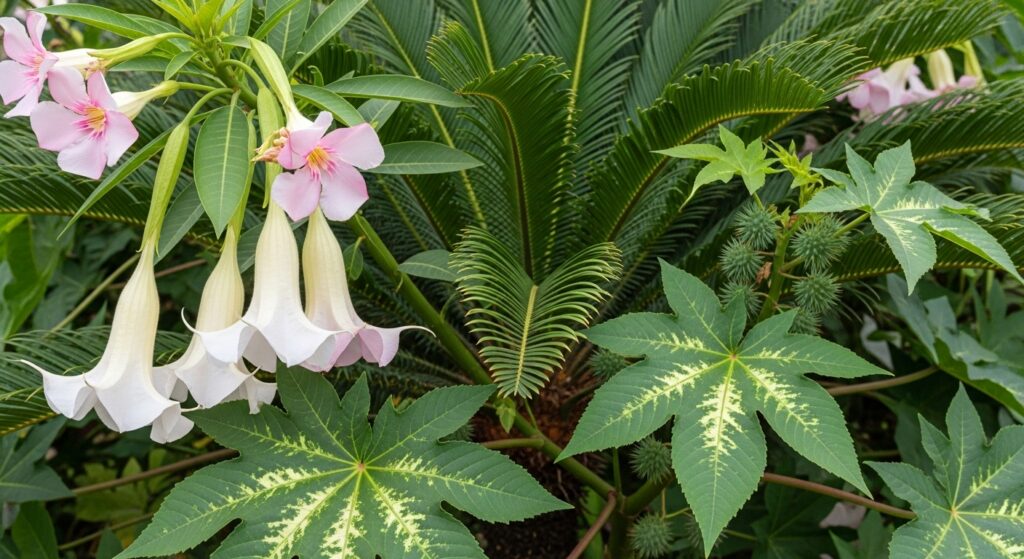
Florida’s lush climate makes it easy for plants to grow — sometimes too easily. While many plants add beauty and shade to a yard, some common Florida plants can be toxic if touched, ingested, or even inhaled. For homeowners, especially those with children or pets, knowing which plants pose a risk is an important part of maintaining a safe property.
Poisonous plants are more than a gardening issue. They can create health hazards, lead to emergency medical situations, and in some cases expose homeowners to liability if a guest or child is injured.
Why Poisonous Plants Are a Concern in Florida
Florida’s year-round warmth allows toxic plants to grow quickly and spread easily. Some are native, while others were introduced as ornamentals and became widespread.
Poisonous plants can cause:
- Skin irritation or burns
- Severe illness if ingested
- Pet poisoning
- Emergency medical visits
- Potential liability claims
Storms and flooding can also move or damage plants, increasing exposure risks after hurricanes.
Common Poisonous Plants Found in Florida Yards
Oleander
Oleander is a popular ornamental shrub, but every part of the plant is toxic. Ingesting even a small amount can cause serious heart problems in humans and pets.
Sago Palm
Often mistaken for a harmless palm, sago palm is extremely toxic — especially to dogs. Ingestion can lead to liver failure and death.
Poison Ivy, Poison Oak, and Poison Sumac
These plants cause allergic skin reactions. Poison sumac, found in wetter areas, can cause severe rashes and blistering.
Angel’s Trumpet
This flowering plant contains compounds that can cause hallucinations, confusion, and poisoning if ingested.
Castor Bean Plant
The seeds contain ricin, one of the most toxic substances known. Even small amounts can be fatal.
Dieffenbachia (Dumb Cane)
Common in landscaping and houseplants, this plant can cause mouth and throat swelling if chewed.
Rosary Pea
Its bright red seeds are highly toxic if damaged or swallowed.
Risks to Children and Pets
Children and pets are especially vulnerable because they explore their environment by touching and tasting.
- Puppies may chew toxic plants
- Young children may not recognize danger
- Toxic reactions can escalate quickly
The ASPCA Animal Poison Control Center provides an extensive list of plants toxic to pets and is a trusted reference for Florida homeowners.
Symptoms of Plant Poisoning
Symptoms vary depending on the plant and exposure type.
- Skin redness, itching, or blistering
- Nausea, vomiting, or diarrhea
- Difficulty breathing
- Drooling or pawing at the mouth (pets)
- Irregular heartbeat or seizures
Seek medical or veterinary help immediately if poisoning is suspected.
What To Do If You Find Poisonous Plants
Identify Before Removing
Never remove a plant unless you’re certain what it is. Some plants can cause skin reactions when handled.
Use Protective Gear
Wear gloves, long sleeves, and eye protection when removing toxic plants.
Dispose Safely
Do not burn poisonous plants. Bag them securely and follow local disposal guidelines.
Consider Professional Removal
For large or dangerous plants, professional landscapers can reduce exposure risk.
Poisonous Plants and Homeowners Insurance
While homeowners insurance doesn’t cover the plants themselves, injuries caused by hazardous conditions on your property may involve liability coverage.
Examples include:
- A guest suffering a severe allergic reaction
- A child being injured after contact with a known hazard
- Pet-related incidents involving neighbors
Maintaining a reasonably safe yard helps reduce the likelihood of claims.
Preventing Future Risks
- Research plants before landscaping
- Choose pet-safe and child-safe plants
- Inspect yards after storms
- Educate family members about plant safety
The Poison Control website offers guidance on plant poisoning symptoms and response.
Frequently Asked Questions (FAQ)
1. Are poisonous plants common in Florida yards?
Yes. Florida’s climate allows many toxic plants to grow easily.
2. Can touching a poisonous plant be dangerous?
Some plants cause skin irritation or allergic reactions on contact.
3. Are all palms safe?
No. Sago palms are highly toxic despite their appearance.
4. What should I do if my pet eats a toxic plant?
Contact a veterinarian or poison control immediately.
5. Can poisonous plants affect homeowners insurance?
Injuries related to yard hazards may involve liability coverage.
6. Should I remove all poisonous plants from my yard?
It’s recommended when children, pets, or frequent guests are present.
7. Are poisonous plants worse after storms?
Storms can spread or damage plants, increasing exposure risk.
8. Is professional removal worth it?
Yes, especially for large or highly toxic plants.
9. Can renters be affected by poisonous plants?
Yes. Renters should notify landlords of hazardous plants.
10. Who can help me understand liability risks?
A local GreatFlorida Insurance agent can help explain coverage related to property hazards.
Bottom Line
Poisonous plants are a hidden but real risk in many Florida yards. By learning to identify toxic plants, removing hazards safely, and choosing safer landscaping options, homeowners can protect their families, pets, and visitors.
A GreatFlorida Insurance agent can also help review liability coverage as part of maintaining a safe home.