


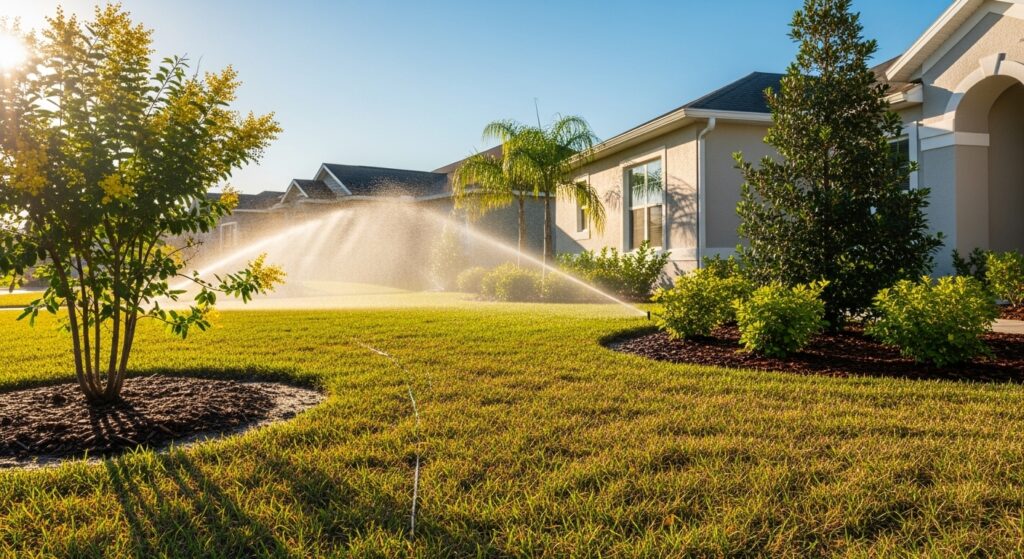
Florida’s distinct climate means the “dry season” is as critical to your home and landscape as hurricane season. From roughly November through May (with April often the driest month), precipitation drops, humidity lowers and sandy soils dry out. For homeowners in Florida, being proactive during this period helps preserve lawns, protect plants, reduce water use and minimise risks such as fire or soil settling.
1. What is the Dry Season in Florida?
The dry season in much of Florida spans approximately October–May, with the bulk of the state’s rainfall (often 70%+) occurring in the wet season of June–October. During this extended dry period, soils—especially sandy soils common in Florida—lose moisture more quickly, irrigation demands increase and plants (including turf) face greater stress.
2. Why It Matters for Your Home & Landscape
- Water demand rises: With fewer rainstorms and more sun, landscapes require deeper watering, not just more frequent shallow irrigation.
- Deeper roots matter: Encouraging deeper root systems helps turf and plants access subsurface moisture, improving drought tolerance.
- Fire and soil risks: Dry vegetation increases wildfire risk, and drying soils can shift or settle—both of which can impact landscaping and even home foundations.
- Irrigation limitations: Many Florida counties limit outdoor watering during this season—knowing and adapting to restrictions is key.
3. Pre-Season Planning Checklist (Late Summer / Early Fall)
Before the dry season is in full swing, take these proactive steps:
- Inspect your irrigation system. Check for leaks, broken heads, mis-sprays or zones not covering properly. Poor coverage is common and wastes water (and money) when availability is already reduced.
- Set your irrigation schedule. Many landscape experts recommend watering once per week with about ¾ inch of water (in sandy soils) to reach the top ~9 inches of soil.
- Switch turf height and mowing strategy. During dryness, leave grass slightly taller—this shades soil, retains moisture and slows down stress. See height guidance below.
- Add mulch to beds. A 2–3-inch layer of mulch around shrubs, trees and garden beds helps retain moisture and reduce heat stress.
- Inventory equipment and materials. Ensure hoses, rain gauges, watering timers, moisture sensors, replacement sprinkler heads and drought-tolerant plants are on hand.
- Update your plan for restrictions. Check local county water rules for when and how you may irrigate—some areas limit use to specific days/hours during the dry season.
4. Irrigation Best Practices During Dry Season
Once the dry season is underway, adjusting how you water makes a big difference:
- Water deeply, less often. The goal is to encourage deep root growth, not shallow frequent watering. For example, in sandy soils water ~¾ inch each week.
- Time it right. Water early in the morning (before 10 a.m.) to minimise evaporation and get more water down into the soil. Avoid midday/afternoon when sun is strongest.
- Skip if it rains. If you’ve had a significant rain event, you may skip your scheduled irrigation—this saves water and reduces cost.
- Adjust heads and zones. Ensure spray/rise heads are working properly; fix leaks and adjust zones to avoid overspray onto hardscape. Waste from inefficient irrigation can be dramatic.
- Watch for signs of stress. Turf may show curled leaf blades, grey/brown patches or fail to bounce back from footprints—those are signs it’s time to water.
5. Turf & Plant Care Strategies
Selecting the right species and giving them a little extra support helps your landscape survive and thrive during the dry stretch.
Turf height guidelines
Proper mowing height helps shade the soil and reduce stress during dry spells:
- St. Augustine grass: 2.5 – 4 inches
- Bahia grass: 3 – 4 inches
- Zoysia grass: 1 – 3 inches
- Bermuda grass: 0.5 – 1.5 inches
Drought-tolerant plant options
Consider reducing turf area and replacing with lower-water groundcovers or plants. For example, Sunshine Mimosa (Mimosa strigillosa) and Perennial Peanut (Arachis glabrata) do well in dry sunny Florida conditions.
Mulch & soils
A 2–3-inch layer of mulch keeps root zones cooler and soil moist. Combine with cardboard or newspaper layers under mulch to suppress weeds and improve moisture retention.
Fertilise wisely
Avoid high-nitrogen fertilisers that accelerate top growth and stress roots. Focus on balanced nutrients and micronutrients that support root health and drought resilience.
6. Home & Property Readiness Beyond Landscaping
Dry season impacts extend beyond your yard. Addressing other home systems and risks helps protect your overall investment.
- Fire risk mitigation: Dry brush and grasses heighten the potential for wildfires—clear debris, trim low branches and maintain defensible space around structures.
- Soil settling and foundation risk: In sandy soils, dehydration can lead to uneven settling—check gutters, down-spouts and grading to minimise water loss near foundations.
- Roof & exterior inspection: With lower humidity and increased sun exposure, roofs, eaves and external paint may show early wear. Inspect now.
- Pest & termite vigilance: Drier conditions may push pests toward homes—stay ahead with pest control and sealing gaps.
7. Water Conservation & Local Restrictions
Many Florida counties enforce irrigation restrictions during the dry months—commonly limiting irrigation to one day per week and specific hours. Know your local schedule and adapt your watering accordingly.
Additional conservation tactics:
- Use a rain gauge or soil-moisture sensor to avoid over-watering.
- Group sprinkler zones by plant-type and sun-exposure to run only when needed.
- Capture rainwater where possible (barrels, cisterns) for landscape reuse when allowed.
8. Region-Specific Notes for Florida Homeowners
South Florida (Miami-Dade, Broward, etc.): Deep sandy soils, higher evaporation. Be extra diligent with morning watering. Use native grasses and groundcovers suited for heat and dryness.
Central Florida (Orlando, Tampa region): Some heavier soils retain moisture longer; still follow weekly deep watering and avoid shallow frequent watering.
North Florida / Panhandle: While winters are wetter, early spring (March–April) often dries out quickly—prepare by lowering mowing height gradually and adding mulch before full dryness sets in.
9. Timing at a Glance
| Month | Recommended Action |
|---|---|
| August–September | Irrigation system check, mulch refresh, plant selection. |
| October–November | Reduce irrigation frequency, raise grass mowing height, trim low branches. |
| December–March | Water weekly if necessary, monitor turf for stress, conserve water. |
| April–May | Peak dryness—skip irrigation after rain, watch for fire risk, final mulch refresh. |
| June onwards | Transition into wet season—adjust sprinklers to two days per week (where applicable). |
10. Quick Checklist for Homeowners
- Inspect and repair irrigation system before dryness hits.
- Set up a deep-watering schedule (e.g., once per week) and install a rain gauge.
- Raise mowing height and sharpen mower blades.
- Apply 2–3″ of mulch around beds and trees.
- Plant drought-tolerant groundcovers to reduce turf area.
- Check gutters/downspouts, grading and insure drainage away from home.
- Remove dead vegetation, trim low branches and keep area around home clear to reduce fire risk.
- Group irrigation zones by plant water need and sun exposure.
- Stay updated on local water‐use restrictions and adapt accordingly.
- Monitor for pest activity and signs of turf stress (e.g., grey patches, footprints not bouncing back).
FAQs – Your Questions Answered
By following this guide and staying ahead of the season’s dryness, you’re better positioned to maintain a healthy, resilient landscape and protect your home through the months when water supply and weather challenges increase. Good preparation now means less stress later.
Need expert guidance for your Florida property? For tailored irrigation reviews, landscape remodel suggestions, or drought-adaptive planting plans, contact our team today.
GreatFlorida Insurance offers homeowners insurance to fit your budget and your needs. Give us a call or go online for a quote today.
Related articles you may find useful:
- Landscape Water Conservation Tips for Florida Homes
- How to Choose Drought-Tolerant Plants in Florida