


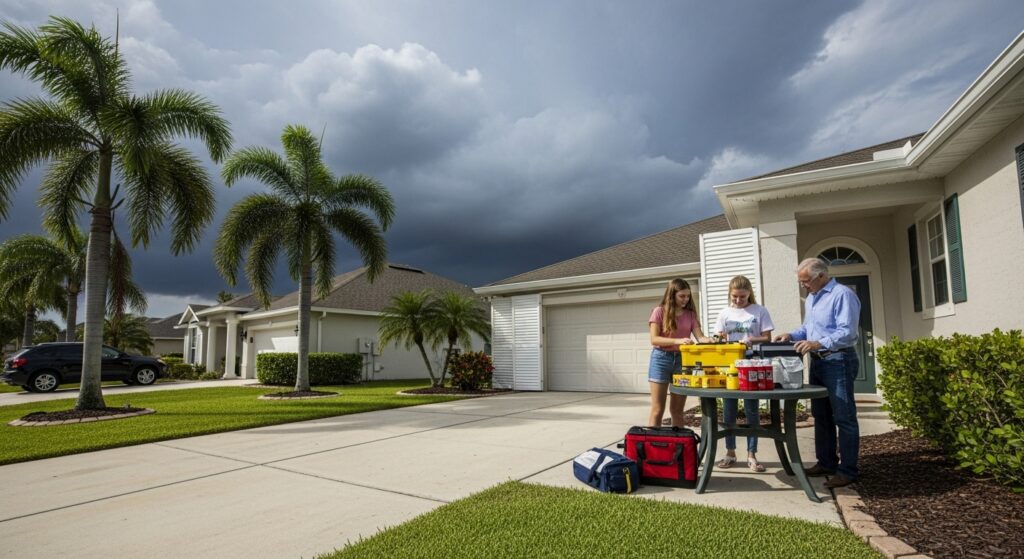
Florida’s weather is both beautiful and unpredictable. While sunshine defines much of the state’s climate, Floridians also face some of the most dangerous weather events in the nation — from hurricanes and flooding to severe thunderstorms, lightning, tornadoes, wildfires, and extreme heat. Because of this, the state annually observes Florida Severe Weather Awareness Week to help residents and families prepare before disaster strikes.
In 2026, Severe Weather Awareness Week in Florida takes place February 2–6, 2026. This dedicated week of education and preparedness provides vital information on common hazards, safety tips, and planning strategies that can save lives and protect property.
What Is Florida Severe Weather Awareness Week?
Severe Weather Awareness Week is an annual campaign led by the Florida Division of Emergency Management (FDEM), the National Weather Service (NWS), and local emergency management partners. The goal is to raise awareness about the variety of severe weather threats that affect Florida and provide residents with the tools they need to plan and prepare ahead of time.
Although serious weather can occur year-round in Florida, this early-February awareness week is timed to fall before the main hurricane and severe weather seasons, giving residents time to assess risk and take action.
Why Awareness Matters for Florida
Florida is uniquely exposed to multiple weather hazards:
- Hurricanes and tropical storms — powerful systems with high winds, storm surge, and flooding potential
- Flooding — coastal storm surge and inland flash flooding from tropical systems or heavy rain
- Summer severe thunderstorms — frequent storms with lightning and damaging winds
- Tornadoes — both isolated tornadoes and tornadoes spawned by tropical systems
- Lightning — Florida leads the continental U.S. in lightning frequency
- Wildfires — dry periods bring elevated wildfire risk, especially inland
- Extreme heat — heat waves can pose health risks, especially for vulnerable populations
Understanding these hazards and how to prepare can significantly reduce risk for families, pets, homes, and vehicles.
Daily Themes of Florida Severe Weather Awareness Week
During Severe Weather Awareness Week, emergency managers often highlight different weather threats each day, with a focus on specific safety actions:
- Monday — Lightning Safety: Know when and where lightning strikes are most likely and how to protect yourself.
- Tuesday — Marine Hazards & Rip Currents: Safe boating and swimming practices when conditions turn dangerous.
- Wednesday — Thunderstorms & Tornadoes: How to recognize severe thunderstorm and tornado risks and where to shelter.
- Thursday — Hurricanes & Flooding: Hurricane preparation basics, evacuation planning, and flood safety tips.
- Friday — Temperature Extremes & Wildfires: Preparing for heatwaves and reducing wildfire risk around your home.
Many counties and cities also schedule tornado drills and community events as part of the week’s activities.
Florida’s Most Common Severe Weather Hazards Explained
Hurricanes and Tropical Storms
Florida is the most hurricane-prone state in the U.S., and tropical storms or hurricanes can bring a combination of high winds, storm surge, heavy rain, and flooding. Preparing early — before hurricane season begins — gives families and businesses time to stock supplies, secure property, and finalize evacuation plans.
Flooding
Flooding can occur with hurricanes, tropical storms, and even intense summer rain bands. Many Floridians mistakenly believe standard homeowners insurance covers flood damage — it does not. A separate flood insurance policy (often through the National Flood Insurance Program, or NFIP) is required for flood coverage. Purchasing flood insurance can have a waiting period before it becomes effective, which makes planning ahead essential.
Severe Thunderstorms and Tornadoes
Severe thunderstorms are common in Florida, especially during the summer rainy season. These storms can produce damaging straight-line winds, hail in some areas, and occasionally tornadoes. Tornadoes in Florida are often associated with tropical systems and can occur with little warning, making awareness and planning critical.
Lightning
Florida consistently records some of the highest lightning strike frequencies in the continental U.S. Lightning can cause serious injury, start fires, and damage electrical systems in homes and businesses. Simple actions — like staying indoors, avoiding tall isolated trees, and unplugging electronics — can greatly reduce the risk of injury or damage.
Wildfires
During dry periods, wildfires can spread rapidly, especially in undeveloped or brushy areas. Reducing fuel around your property and following local burn restrictions can help minimize wildfire risk.
Extreme Heat
Heat waves can be especially hazardous for children, the elderly, outdoor workers, and anyone without reliable access to air conditioning. Awareness of signs of heat exhaustion and heat stroke, along with hydration and cooling strategies, can prevent heat-related illness.
How much could you save on Florida Homeowners Insurance? It takes two minutes to find out.
Get a Free QuoteSteps Every Floridian Should Take
Severe weather planning is not just about hurricanes — it’s about risk reduction all year. Here are key steps to take during and after Severe Weather Awareness Week:
- Build or refresh your emergency plan — include contact information, evacuation routes, and meeting locations.
- Create a disaster supply kit — include water (one gallon per person per day), non-perishable food, medications, flashlights, batteries, first-aid supplies, important documents, and pet supplies.
- Know your evacuation zone — Florida has designated evacuation zones for storm surge and other hazards; learn yours ahead of time.
- Secure your home — trim trees, reinforce doors and windows, and secure outdoor items that could become storm-driven projectiles.
- Review insurance coverage — confirm windstorm deductibles, flood coverage, and auto comprehensive coverage with your insurance agent.
- Sign up for alerts — know how to receive local weather alerts and warnings on your phone.
Insurance & Risk Management: What You Need to Know
One of the most overlooked aspects of severe weather preparation is insurance planning. After a storm has already formed, it’s too late to adjust your coverage. Here’s a look at common insurance considerations for Floridians:
Homeowners Insurance and Hurricanes
In Florida, most standard homeowners policies cover damage from wind and hail — including hurricanes. However, these policies also typically include a separate hurricane deductible, often defined as a percentage of the insured value of your home. Understanding how your deductible applies can help you estimate out-of-pocket costs before a storm.
Flood Insurance
Flooding from heavy rain, storm surge, or river overflow is not covered by typical homeowners policies. A separate flood insurance policy is required to cover flood-related damage. Because flood policies usually have a 30-day waiting period before taking effect, it’s vital to purchase or renew flood coverage well ahead of potential severe weather.
Renters Insurance
Renters policies can cover personal property and additional living expenses if your home becomes uninhabitable after a storm. Always review your policy limits and exclusions, and make sure you understand what is and isn’t covered.
Auto Insurance
Comprehensive auto coverage typically covers damage from wind, falling debris, flood waters, and other storm-related impacts. If you rely on your vehicle as part of your evacuation plan, make sure your policy includes comprehensive coverage.
Frequently Asked Questions (FAQ)
1. When is Florida Severe Weather Awareness Week?
Florida Severe Weather Awareness Week for 2026 is February 2–6, 2026.
2. What types of severe weather affect Florida?
Florida regularly experiences hurricanes, flooding, severe thunderstorms, lightning, tornadoes, wildfires, and extreme heat.
3. Does homeowners insurance cover hurricane damage?
Most homeowners policies cover wind damage from hurricanes, but flood damage requires a separate flood insurance policy.
4. Is flood insurance required?
Flood coverage is required for many properties with federally backed mortgages, but it’s recommended for nearly all Florida homes. Standard homeowners insurance does not cover flooding.
5. What is a hurricane deductible?
A hurricane deductible is a specialized deductible that applies when damage results from a named storm. It’s often calculated as a percentage of your home’s insured value.
6. How do I prepare if I rent?
Renters should have renters insurance, create an emergency kit, and know their evacuation route. Copies of important documents and emergency plans are critical.
7. Is auto damage from storms covered?
Yes — if you have comprehensive auto coverage. It covers damage due to wind, debris, flooding (if specified), and other storm impacts.
8. How often should I review my insurance policies?
Review your policies at least once per year and after major life changes, such as home improvements or purchasing new vehicles.
9. What belongs in a disaster supply kit?
A disaster kit should include water, food, medications, flashlights, batteries, chargers, important documents, first-aid supplies, and pet necessities.
10. Who should I contact for help preparing?
Your local insurance agent can help review your coverage and explain what options best suit your needs before storm season arrives.
Bottom Line: Preparing early and reviewing your coverage now — before severe weather arrives — can make all the difference when storms strike in Florida.
GreatFlorida Insurance has the insurance you need to prepare for Florida weather while keeping what you value protected.
Ready to save on Florida Homeowners Insurance?
GreatFlorida Insurance Agents compare rates from Florida's best carriers for you.
Get a Free QuoteOr call 888.478.7801