
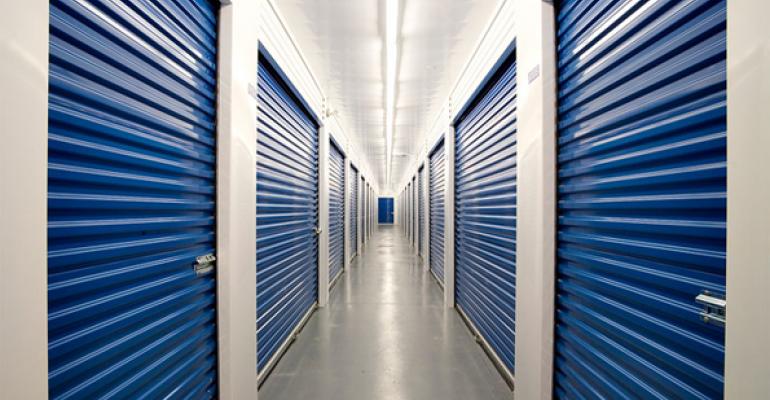
Self storage can be extremely helpful during a move, renovation, downsizing project, college transition, military relocation, or seasonal lifestyle change. Many people use storage units for furniture, tools, clothing, business supplies, holiday decorations, sporting equipment, family keepsakes, bicycles, electronics, and household items they are not ready to part with.
But one important question is often overlooked: Are your self storage items insured?
The answer is: maybe.
Some homeowners insurance and renters insurance policies provide limited coverage for personal belongings kept away from your home, including items stored in a self-storage facility. However, the coverage may be lower than you expect, and certain types of damage may not be covered. Storage facilities may also offer insurance or tenant protection plans, but those options can vary widely.
Before you place valuables in a storage unit, it is important to understand how coverage works, what may be excluded, and whether you need additional protection.
Your Homeowners or Renters Policy May Help
Many homeowners insurance and renters insurance policies include coverage for personal property located away from your main residence. This is often called off-premises personal property coverage. The Insurance Information Institute explains that some standard homeowners and renters insurance policies include coverage for personal possessions kept off-premises, including belongings in a storage facility. Covered causes may include theft and damage from fire, tornadoes, and other listed perils, depending on the policy.
This means your storage unit may not be completely uninsured. If a covered event damages your belongings, your existing policy might help pay to repair or replace them.
For example, your homeowners or renters insurance may provide coverage if items in storage are damaged by fire, smoke, theft, vandalism, or certain weather-related events. However, every policy is different. Coverage depends on your policy language, limits, deductible, exclusions, and the type of loss.
That is why you should never assume everything in your storage unit is fully covered.
Off-Premises Coverage Is Often Limited
One of the biggest surprises is that off-premises coverage may be much lower than your total personal property limit.
For example, your homeowners policy might provide $100,000 in personal property coverage for belongings in your home. But items kept away from your home, including in a storage unit, may be limited to a percentage of that amount. Some policies may limit off-premises personal property coverage to around 10% of your personal property limit, though this can vary by insurer and policy.
That means a policy with $100,000 in personal property coverage might provide only $10,000 for items in storage. If you have furniture, electronics, tools, bikes, collectibles, or household goods in the unit, that limit may not be enough.
Renters insurance can work similarly. A renters policy may cover belongings away from the rental home, but storage unit coverage may be subject to a lower limit, deductible, and exclusions.
Before renting a storage unit, ask your insurance agent: “How much coverage do I have for personal property in a self-storage unit?”
The Storage Facility’s Insurance Usually Protects the Facility
Many people assume the storage facility’s insurance protects their belongings. In most cases, the facility’s insurance is designed to protect the building, business, and property owned by the facility. It usually does not automatically insure everything stored inside each customer’s unit.
If a storage facility has a roof leak, break-in, fire, or storm damage, the facility’s insurance may not replace your personal belongings unless the facility is legally responsible and coverage applies.
This is similar to renting an apartment. A landlord’s insurance generally covers the building, not the tenant’s clothing, furniture, electronics, or personal items. The Florida Department of Financial Services explains that renters insurance protects tenants against financial loss if personal property is damaged or destroyed by a covered peril, such as fire, hurricane, or theft.
The same basic idea applies to storage: you need to know whether your belongings are protected by your own insurance, a storage-specific policy, or another coverage option.
Storage Facility Insurance or Tenant Protection Plans
Some storage companies require customers to show proof of insurance before renting a unit. Others offer storage insurance or a tenant protection plan at the time of rental.
These plans may provide coverage for stored belongings, but they are not all the same. Some are insurance policies. Others are protection plans or contractual agreements. The difference matters because coverage, claims handling, exclusions, and consumer protections may vary.
Before accepting a storage facility’s insurance option, read the terms carefully. Ask what causes of loss are covered, what is excluded, how much coverage is provided, what deductible applies, whether water damage is covered, whether mold is excluded, whether flooding is excluded, whether theft requires signs of forced entry, and how claims are filed.
A storage facility plan may be convenient, but it may not be the best or most complete option for every customer.
Common Types of Storage Unit Damage
Storage unit claims can happen in several ways. Theft is one of the most common concerns. Storage units may be targeted by thieves, especially if the facility has poor lighting, weak gate controls, damaged locks, or limited security.
Fire and smoke damage can also affect stored items. A fire in one unit can spread smoke or heat to nearby units, damaging furniture, clothing, documents, and electronics.
Water damage is another major risk. Water can come from roof leaks, wind-driven rain, plumbing failures, neighboring units, poor drainage, or flooding. In Florida, tropical storms, hurricanes, heavy rain, and humidity can increase the risk.
Pest damage can also occur. Rodents, insects, termites, and other pests can damage furniture, boxes, fabrics, books, and stored food items.
Mold and mildew are especially important in humid climates. Even if the unit is climate-controlled, items can still be damaged if they are stored damp, packed improperly, or exposed to moisture.
What May Not Be Covered
Insurance coverage for storage units often has important exclusions. The Insurance Information Institute notes that off-premises coverage generally does not cover damage caused by flooding, earthquakes, mold and mildew, vermin, or poor maintenance.
That is a critical point for Florida residents. Standard homeowners and renters insurance usually does not cover flood damage. If your storage unit floods during a storm, hurricane, or drainage event, your personal property may not be covered unless you have separate flood protection or a storage policy that specifically includes flood.
Mold and mildew can also be excluded, especially if the damage develops gradually. If items are stored in cardboard boxes in a hot, humid unit and develop mold over time, a claim may be denied.
Other exclusions may include wear and tear, gradual deterioration, insects, rodents, improper packing, temperature changes, corrosion, mechanical breakdown, business inventory, cash, vehicles, animals, plants, or items prohibited by the storage contract.
How much could you save on Florida Renters Insurance? It takes two minutes to find out.
Get a Free QuoteBe Careful With High-Value Items
Storage units are not always the best place for expensive jewelry, fine art, collectibles, antiques, firearms, rare coins, important documents, family heirlooms, or high-end electronics.
Even if your homeowners or renters policy provides coverage, high-value items often have special limits. Jewelry, watches, artwork, musical instruments, bicycles, collectibles, and certain electronics may be capped unless they are scheduled separately.
If you plan to store valuable items, talk with your insurance agent about scheduled personal property coverage or a valuable articles policy. You may need appraisals, receipts, photos, serial numbers, or documentation to properly insure those items.
For important documents, consider a fireproof safe, bank safe deposit box, or secure digital backup rather than a standard storage unit.
Climate-Controlled Storage Can Reduce Risk
In Florida, climate-controlled storage may be worth considering for certain items. Heat and humidity can damage wood furniture, leather, clothing, photos, documents, electronics, instruments, artwork, mattresses, and upholstered items.
Climate control does not guarantee your items will be safe, and it does not replace insurance. However, it can reduce the risk of humidity-related damage. It may also be required or strongly recommended for sensitive belongings.
When choosing a storage facility, ask how temperature and humidity are controlled, whether the building is monitored, and what happens during power outages.
How to Protect Items in Storage
Insurance is important, but prevention matters too. Choose a reputable storage facility with strong security, good lighting, gated access, cameras, clean grounds, and solid maintenance practices.
Use high-quality locks. Avoid storing items directly on the floor. Use pallets or shelving to raise belongings a few inches in case of minor water intrusion. Pack items in plastic bins instead of cardboard when possible. Cover furniture with breathable covers rather than plastic that can trap moisture.
Do not store food, liquids, candles, flammable items, hazardous materials, or anything prohibited by the storage agreement. Label boxes clearly and leave space for airflow.
Visit the unit periodically to check for leaks, pests, odors, mold, or signs of tampering.
Create a Storage Inventory
One of the best things you can do is create an inventory before moving items into storage. Take photos or videos of the unit and the items inside. Keep receipts for major items. Record serial numbers for electronics, bikes, tools, and appliances.
A detailed inventory can make a claim much easier. Without documentation, it may be difficult to prove what was in the unit or how much it was worth.
Store a digital copy of the inventory somewhere safe. Do not keep the only copy inside the storage unit.
Questions to Ask Your Insurance Agent
Before renting a unit, contact your GreatFlorida insurance agent and ask a few important questions.
Does my homeowners or renters policy cover items in self storage? What is the off-premises personal property limit? Is storage coverage limited to 10% of my personal property coverage? What deductible applies? Are theft, fire, smoke, wind, or water damage covered? Is flood damage excluded? Is mold or mildew excluded? Are pests or rodents excluded? Are high-value items limited? Can I increase my coverage? Should I buy a separate storage insurance policy?
These questions can help you avoid finding out after a claim that your belongings were only partially protected.
Final Thoughts
Self storage can be useful, but it should not be treated as a risk-free extension of your home. Items in storage may be covered by your homeowners or renters insurance, but coverage is often limited and exclusions can be significant.
Before placing belongings in a unit, review your insurance policy, ask about off-premises coverage, understand facility insurance options, and consider whether you need additional protection.
A little preparation can make a big difference. Choose a secure facility, pack carefully, keep items off the floor, avoid storing irreplaceable valuables, document everything, and review your insurance before a loss happens.
If you are not sure whether your self storage items are insured, talk with a local insurance agent. They can help you understand your current coverage and identify gaps before your belongings are at risk.
Frequently Asked Questions About Self Storage Insurance
1. Are items in a storage unit covered by homeowners insurance?
Some homeowners policies provide limited off-premises personal property coverage for items in a storage unit. Coverage limits, deductibles, and exclusions vary by policy.
2. Does renters insurance cover items in storage?
Renters insurance may cover belongings kept in a storage unit, but coverage may be limited. You should confirm the off-premises coverage limit with your insurance agent.
3. Does the storage facility insure my belongings?
Usually, the storage facility’s insurance protects the facility’s building and business property, not your personal belongings. You may need your own insurance or a storage-specific policy.
4. What does storage unit insurance cover?
Storage insurance may cover damage from certain risks such as fire, theft, vandalism, wind, smoke, or water damage, depending on the policy. Always review the terms carefully.
5. What is usually excluded from storage unit coverage?
Common exclusions may include flood, mold, mildew, pests, rodents, poor maintenance, gradual deterioration, wear and tear, and prohibited items.
6. Does insurance cover flood damage in a storage unit?
Standard homeowners and renters insurance usually does not cover flood damage. You may need separate flood coverage or a storage policy that specifically includes flood.
7. Are valuable items fully covered in storage?
Not always. Jewelry, art, collectibles, bicycles, electronics, and other valuable items may have special limits. Scheduled personal property coverage may be needed.
8. Should I buy insurance from the storage facility?
It depends on your existing coverage and the facility’s plan. Compare the storage facility’s coverage with your homeowners or renters policy before deciding.
9. How can I protect items in storage?
Use a secure facility, choose climate control when needed, keep items off the floor, use durable containers, avoid storing valuables, and inspect the unit periodically.
10. What should I do before putting items in storage?
Review your insurance, ask about off-premises limits, create a photo or video inventory, save receipts, and understand the storage facility’s contract and insurance requirements.
Ready to save on Florida Renters Insurance?
GreatFlorida Insurance Agents compare rates from Florida's best carriers for you.
Get a Free QuoteOr call 888.478.7801