When homeowners think about insurance, they usually think about the main house. That makes sense. The home itself is often the largest asset on the property and the main reason for buying homeowners insurance.
But the main house may not be the only structure on your property.
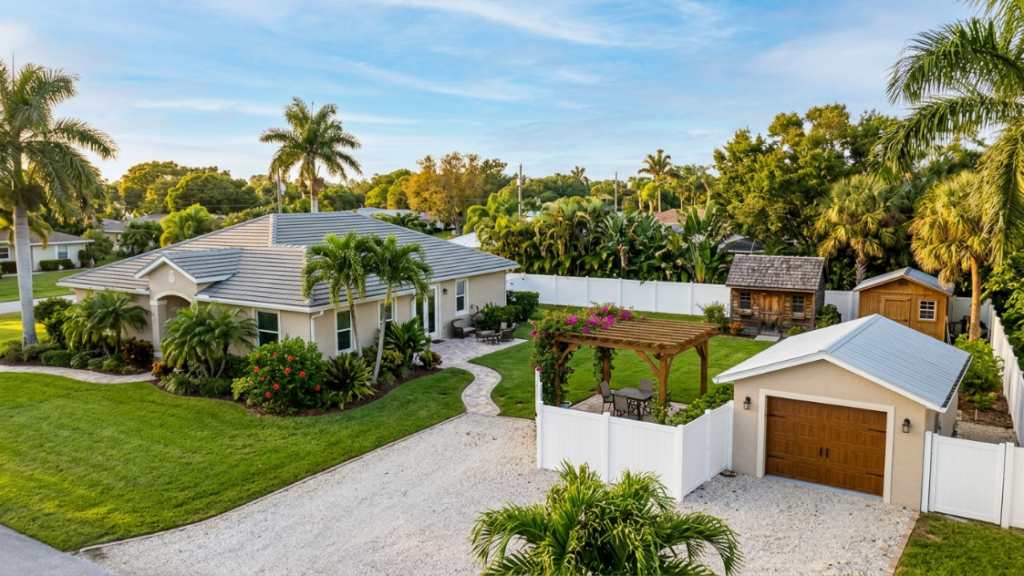
You may also have a detached garage, storage shed, fence, workshop, gazebo, pool house, guest house, detached carport, or other structure that is separate from the main dwelling. These items can be expensive to repair or replace, and they may not be covered the same way as the primary home.
That is where Coverage B comes in.
Coverage B is the part of a homeowners insurance policy that usually applies to other structures on the residence premises. The National Association of Insurance Commissioners explains that homeowners insurance property coverage includes the dwelling, other structures such as detached garages, sheds, and fences, personal property, and loss of use coverage.
In plain English, Coverage B is the section of your homeowners policy that may help protect structures on your property that are not physically attached to your house.
What Does Coverage B Mean?
Coverage B is commonly called Other Structures Coverage.
It is separate from Coverage A, which protects the main dwelling. Coverage A usually applies to the house itself and attached structures. Coverage B usually applies to structures that are detached from the house.
For example, if your garage is attached to your home, it may fall under dwelling coverage. If the garage is detached and separate from the house, it may fall under Coverage B.
Coverage B insures permanent structures on the property that are not connected to the home, including detached garages, workshops, pool houses, decks, storage sheds, fences, and carports.
That distinction matters because a homeowner may have more detached property than they realize.
A fence around the backyard, a shed full of tools, a detached workshop, or a small guest structure may all create Coverage B questions.
Examples of Structures That May Fall Under Coverage B
Coverage B may apply to many types of detached structures, depending on the policy.
Common examples include:
Detached garages
Storage sheds
Workshops
Fences
Detached carports
Gazebos
Pergolas
Pool houses
Detached decks
Guest houses
Barns
Greenhouses
Detached patios
Outdoor kitchens, if detached
Pump houses
Small utility buildings
The structure usually needs to be located on the insured residence premises and separated from the main house. Policy wording matters, so homeowners should review their declarations page and policy form carefully.
The key idea is simple: if it is a permanent structure on your property and it is not attached to the main home, it may be considered an “other structure.”
Coverage A vs. Coverage B
One of the easiest ways to understand Coverage B is to compare it with Coverage A.
Coverage A protects the main dwelling. This usually includes the house, attached garage, attached porch, built-in systems, and permanent fixtures connected to the home.
Coverage B protects other structures that are detached from the home.
For example:
An attached garage is usually Coverage A.
A detached garage is usually Coverage B.
An attached screen room may be Coverage A.
A detached gazebo may be Coverage B.
A built-in fence may be Coverage B.
Furniture inside the home may be personal property coverage, not Coverage B.
A shed itself may be Coverage B.
The tools inside the shed may be personal property coverage, not Coverage B.
This distinction is important after a claim because different limits may apply to different categories of property.
How Much Coverage B Do You Have?
Many homeowners policies automatically include Coverage B as a percentage of the dwelling limit.
A common structure is for Coverage B to equal a percentage of Coverage A. For example, if the home is insured for $500,000 and the policy includes Coverage B at 10% of the dwelling limit, the other structures limit may be $50,000.
That may be enough for some homeowners. But it may not be enough for everyone.
A basic backyard fence and small shed may fit within the automatic limit. But a property with a detached garage, custom workshop, guest house, extensive fencing, large storage building, detached office, or high-end outdoor structure may need more Coverage B.
Homeowners should not assume the automatic amount is enough. The better approach is to estimate the replacement cost of each detached structure and compare that total with the Coverage B limit on the declarations page.
Why Coverage B Can Be Overlooked
Coverage B is often overlooked because homeowners focus on the main house, mortgage requirements, and premium.
Some homeowners do not know Coverage B exists. Others assume every structure on the property is automatically covered for its full replacement cost. Others assume the coverage amount is flexible and can be moved around after a claim.
That can lead to surprises.
For example, a homeowner may have a $40,000 detached workshop and a $25,000 fence but only $50,000 in Coverage B. If both are damaged in the same covered loss, the Coverage B limit may not be enough.
Another homeowner may have converted a detached shed into a home office but never told the insurance company. That could create questions about use, business property, electrical work, occupancy, and whether the policy was priced correctly.
Detached structures are easy to forget because they are not always part of the main home replacement cost estimate. But they may still represent real financial value.
What Coverage B May Cover
Coverage B may help pay to repair or replace detached structures after a covered loss.
Depending on the policy, covered causes of loss may include events such as fire, lightning, theft-related damage, vandalism, falling objects, vehicle impact, or certain sudden accidental damage.
For example, Coverage B may respond if:
A detached garage is damaged by a covered fire.
A vehicle crashes into a fence.
A storage shed is damaged by a covered falling object.
A detached workshop is damaged by vandalism.
A gazebo is damaged by a covered event.
A carport is damaged by a covered loss.
The specific cause of loss matters. Homeowners insurance policies include covered perils, exclusions, deductibles, and limitations.
Coverage B does not mean every type of damage is covered. It means the detached structure is assigned to this section of the policy when a covered cause of loss applies.
What Coverage B Usually Does Not Cover
Coverage B does not cover everything related to detached structures.
Common exclusions or limitations may include:
Wear and tear
Poor maintenance
Rot
Rust
Insect damage
Animal damage
Gradual deterioration
Defective construction
Intentional damage
Certain business use
Certain rental use
Structures used for farming
Structures used for commercial purposes
Landscaping
Loose personal property inside the structure
For example, if an old shed collapses because it was not maintained, that may not be covered. If termites damage a detached workshop, the policy may exclude that type of loss. If a structure is used for business, the policy may require special coverage.
Coverage B is property insurance, not a maintenance plan. It is intended for covered sudden losses, not normal aging or upkeep.
How much could you save on Florida Homeowners Insurance? It takes two minutes to find out.
Get a Free QuoteDoes Coverage B Cover the Contents Inside a Shed or Garage?
Usually, Coverage B protects the structure itself, not the personal belongings inside it.
This is an important distinction.
If a detached shed is damaged, Coverage B may apply to the shed. But the lawn equipment, tools, bicycles, sports gear, patio cushions, or holiday decorations inside the shed may fall under personal property coverage instead.
That means different limits, deductibles, and exclusions may apply.
For example, expensive tools in a detached workshop may be considered personal property. If those tools are used for business, coverage may be limited. If a bicycle is stolen from a detached garage, it may be handled under personal property coverage, not Coverage B.
Homeowners should review both Coverage B and personal property coverage if they store valuable items in detached buildings.
Business Use Can Create Coverage Problems
Detached structures are often used for hobbies, storage, workshops, or home-based work. That can create coverage questions.
For example, a detached building may be used as:
A woodworking shop
A photography studio
A music studio
A home office
A small inventory storage space
A tool storage building
A rental unit
A guest cottage
A client meeting space
Homeowners insurance is usually designed for personal residential use. If a detached structure is used for business, rental, or income-producing purposes, coverage may be limited or excluded.
This is especially important for homeowners who run small businesses from home. A detached office or workshop may need to be disclosed to the insurance company. Depending on the use, the homeowner may need a home business endorsement, business owners policy, general liability coverage, commercial property coverage, or a different type of policy.
If a structure is used for anything beyond ordinary personal use, ask your agent before assuming Coverage B applies.
Rental Use and Guest Structures
Detached guest houses, cottages, garage apartments, and accessory dwelling units can also create coverage questions.
If a detached structure is used only for personal guests, it may be treated differently than a structure rented to tenants or short-term guests. Renting out a detached structure can change the risk because the property is being used by someone outside the household and may involve business or rental exposure.
This can affect:
Property coverage
Liability coverage
Loss of rental income
Injury claims
Tenant property
Short-term rental exclusions
Occupancy requirements
Local regulations
A homeowner should not assume a standard homeowners policy covers a rented detached unit. If the structure is rented or advertised for short-term stays, the homeowner should discuss that use with an agent.
Fences and Coverage B
Fences are one of the most common Coverage B items.
A fence may not seem as important as a detached garage or workshop, but replacing a fence can be expensive. Materials, labor, gates, length, and property layout all affect cost.
Fence claims can also be complicated because damage may happen gradually or in sections. A policy may cover damage caused by a covered event but not damage caused by age, rot, poor installation, or lack of maintenance.
Homeowners should also understand whether their fence is shared with a neighbor, governed by an HOA, or subject to local rules. Insurance may help with covered physical damage, but it does not settle every neighbor or association responsibility question.
Detached Garages and Workshops
Detached garages and workshops may be among the most valuable Coverage B structures.
A detached garage may include electrical systems, doors, openers, storage areas, workbenches, built-ins, and sometimes finished space. A workshop may include specialized wiring, ventilation, plumbing, cabinetry, or equipment.
The building itself may fall under Coverage B, but the contents inside may be personal property or business property.
This is why homeowners should review both the structure and what is stored inside. A detached garage used only for personal storage may be one thing. A detached garage used for paid repair work, business inventory, or client activity may require a different insurance discussion.
How to Estimate Whether Your Coverage B Limit Is Enough
To review Coverage B, start by making a list of detached structures on your property.
Include:
Detached garages
Sheds
Fences
Carports
Gazebos
Pool houses
Workshops
Guest structures
Pergolas
Detached decks
Utility buildings
Then estimate what it would cost to rebuild or replace each structure. You do not need a perfect number, but you should have a realistic estimate.
Consider:
Size
Materials
Labor costs
Electrical work
Plumbing
Permits
Demolition
Debris removal
Gates or special features
Foundation or slab work
Custom finishes
Then compare the total to your Coverage B limit.
If your Coverage B limit is $40,000 but your detached garage alone may cost $70,000 to rebuild, you should talk to your agent about increasing the limit or changing coverage.
Deductibles and Claims
Coverage B claims are usually subject to the homeowners policy deductible.
For example, if a detached shed has $8,000 in covered damage and the policy has a $2,500 deductible, the claim payment may be based on the covered damage minus the deductible, subject to policy terms.
For smaller structures, the deductible can be significant compared with the value of the claim. A small shed may not be worth filing a claim for if the damage is close to the deductible.
For larger structures, such as detached garages or workshops, Coverage B can be much more important.
Homeowners should understand their deductible and think carefully before filing smaller claims. Your agent can help explain how the claim may be handled.
Replacement Cost vs. Actual Cash Value
Another important question is whether Coverage B losses are paid on a replacement cost or actual cash value basis.
Replacement cost may help pay to repair or replace the damaged structure with similar materials, subject to policy terms.
Actual cash value may subtract depreciation based on age, condition, and useful life.
For example, if an older shed is damaged, actual cash value may pay much less than the cost of buying a new shed. Replacement cost coverage may provide more help, but the policy may require the structure to actually be repaired or replaced before full replacement benefits are paid.
Homeowners should ask how Coverage B losses are valued under their policy.
To get the right coverage for your home, contact Great Florida Insurance today.
Ready to save on Florida Homeowners Insurance?
GreatFlorida Insurance Agents compare rates from Florida's best carriers for you.
Get a Free QuoteOr call 888.478.7801