Many Florida homeowners assume they don’t need flood insurance if they’re not in a high-risk flood zone—but that assumption can be costly. A significant percentage of flood claims come from low-to-moderate risk areas.
With unpredictable weather, heavy rainfall, and changing flood maps, understanding your true risk is more important than ever. This guide explains whether you need flood insurance outside designated flood zones and how to protect your home.
If you live in Florida but aren’t in a designated flood zone, you might assume you don’t need flood insurance.
It’s a common belief—and one that can lead to costly mistakes.
The truth is: you can still experience flooding even if you’re not in a high-risk flood zone.
In this guide, we’ll break down what flood zones really mean, why many homeowners outside these zones still carry flood insurance, and how to decide what’s right for your situation.
Key Takeaways
- More than 20 percent of flood insurance claims come from properties outside high-risk flood zones.
- Standard homeowners insurance does not cover flood damage, even comprehensive policies exclude rising water damage.
- Flood insurance in low-to-moderate risk areas often costs just a few hundred dollars per year.
- FEMA flood maps change over time, so your risk level may shift even if your home hasn’t moved.
What Is a Flood Zone?
Flood zones are geographic areas defined by the Federal Emergency Management Agency (FEMA) based on flood risk.
- High-risk zones (Special Flood Hazard Areas) – higher likelihood of flooding
- Moderate-to-low risk zones – lower probability, but still possible
Just because you’re outside a high-risk zone doesn’t mean you’re risk-free—it simply means your risk is statistically lower.
Do You Need Flood Insurance If You’re Not in a Flood Zone?
Legally, no—unless required by your lender.
If your home is not in a high-risk flood zone and you don’t have a federally backed mortgage, flood insurance is typically optional.
However, financially, it may still be one of the smartest decisions you can make.
Why Flood Risk Exists Outside Flood Zones
Flood maps are based on historical data—but flooding doesn’t always follow predictable patterns.
Common causes of flooding outside designated zones include:
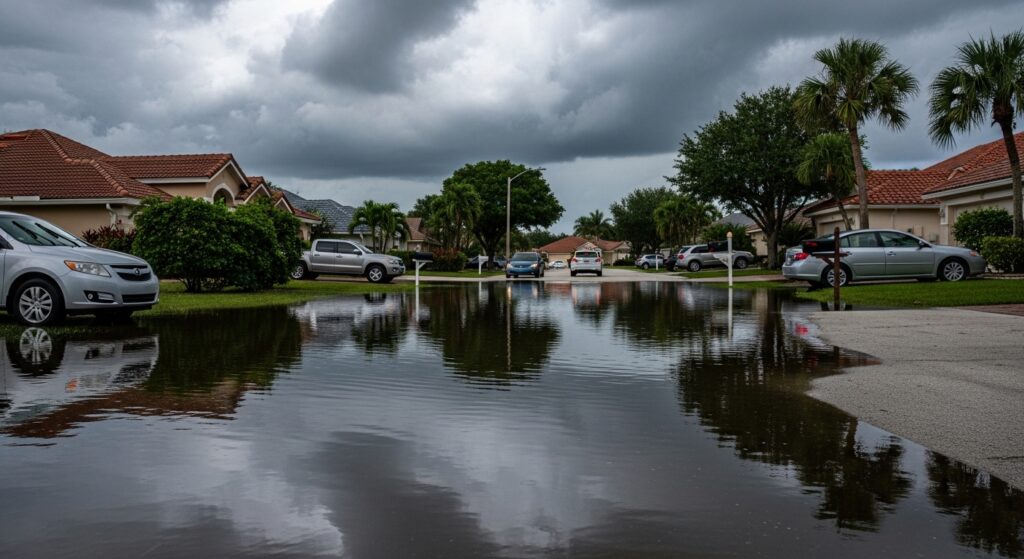
- Heavy rainfall overwhelming drainage systems
- Nearby construction altering water flow
- Storm surge from hurricanes
- Blocked or aging infrastructure
According to the Federal Emergency Management Agency (FEMA), more than 20% of flood insurance claims come from properties outside high-risk flood zones.
What Does Flood Insurance Cover?
Flood insurance typically covers:
- Structural damage to your home
- Electrical and plumbing systems
- Appliances and built-in features
- Some personal property
Standard homeowners policies do NOT cover flood damage.
That’s why having a separate flood insurance in Florida policy is essential if you want full protection.
Flood Insurance vs Homeowners Insurance
This is one of the biggest misconceptions among Florida homeowners.
Even comprehensive Florida homeowners insurance coverage policies exclude flooding caused by rising water.
This means:
- Storm damage from wind? Covered.
- Water entering your home from ground flooding? Not covered.
How much could you save on Florida Homeowners Insurance? It takes two minutes to find out.
Get a Free QuoteHow Much Does Flood Insurance Cost in Low-Risk Areas?
One of the biggest advantages of being outside a flood zone is cost.
Policies in low-to-moderate risk areas are often significantly cheaper than those in high-risk zones.
In many cases, coverage can cost just a few hundred dollars per year—making it an affordable way to protect your home.
When Flood Insurance Is Required
You may still be required to carry flood insurance if:
- You have a mortgage backed by a federal lender
- Your property is reclassified into a higher-risk zone
Flood maps can change over time, which means your risk level may shift even if your home hasn’t moved.
What Happens If You Don’t Have Flood Insurance?
If your home floods and you don’t have coverage, you’ll likely be responsible for all repair costs out of pocket.
Flood damage can be expensive, often costing tens of thousands of dollars—or more.
Federal disaster assistance is limited and not guaranteed.
Florida-Specific Flood Risks
Florida is especially vulnerable to flooding due to:
- Low elevation
- Coastal exposure
- Frequent storms and hurricanes
- High water tables
Even inland areas can experience significant flooding during heavy rain events.
Tips for Florida Homeowners
- Review your flood zone classification regularly
- Consider coverage even if it’s optional
- Understand your policy limits and exclusions
- Work with a local insurance expert
Final Thoughts
So, do you need flood insurance if you’re not in a flood zone in Florida?
Technically, no—but practically, often yes.
Flooding doesn’t follow maps, and even low-risk areas can experience costly damage.
For many homeowners, flood insurance is an affordable way to protect one of their biggest investments.
Want to explore your options? Get a free Florida insurance quote and see what coverage makes sense for your home. Contact GreatFlorida Insurance today.
Frequently Asked Questions
1. Do I need flood insurance if I’m not in a flood zone?
Not legally, but it is often recommended due to risk.
2. Does homeowners insurance cover flooding?
No, standard policies do not cover flood damage.
3. How common is flooding outside high-risk zones?
More than 20% of claims come from low-risk areas.
4. Is flood insurance expensive in Florida?
It can be affordable in low-risk zones, often a few hundred dollars per year.
5. What does flood insurance cover?
It covers structural damage and some personal property.
6. Can flood zones change?
Yes, FEMA updates maps periodically.
7. What causes flooding outside flood zones?
Heavy rain, drainage issues, and storms.
8. Is flood insurance required for a mortgage?
Only if your home is in a high-risk zone.
9. How do I know my flood zone?
You can check FEMA flood maps or ask your insurance agent.
10. How do I get flood insurance in Florida?
By working with an insurance provider or agent.
Ready to save on Florida Homeowners Insurance?
GreatFlorida Insurance Agents compare rates from Florida's best carriers for you.
Get a Free QuoteOr call 888.478.7801