
Dogs are part of the family for many Florida households. But even well-loved, well-trained pets can bite—often in unexpected situations. When that happens, injuries, medical bills, and legal questions can add stress to an already emotional situation.
This guide explains Florida’s dog bite rules, why bites happen, how to reduce risk, and how insurance may respond if a bite occurs.
Dog bites can happen anywhere—homes, sidewalks, parks, or during routine deliveries. In Florida, dog bite incidents often involve familiar settings and people, not strangers or “dangerous” situations.
Understanding how Florida law works and how to prevent common bite scenarios can help protect both people and pets.
Florida Dog Bite Law: What Homeowners Should Know
Florida follows a strict liability standard for dog bites. This means that, in many cases, a dog owner can be held responsible for injuries their dog causes—even if the dog has never bitten anyone before.
Unlike “one-bite” states, Florida does not generally require a prior history of aggression for liability to apply. If a dog bites someone in a public place or lawfully on private property, the owner may be liable for damages.
You can review Florida’s dog bite statute for full details here: Florida Statute §767.04 .
Are there exceptions?
There are limited exceptions, such as provocation by the injured person or clearly posted “Bad Dog” signs that meet legal requirements. However, these exceptions can be narrow and fact-specific.
Why Dog Bites Happen (Even With “Good Dogs”)
Many bites happen not because a dog is aggressive, but because of stress, fear, or miscommunication. Common triggers include:
- Startling a dog while it’s eating or sleeping
- Children hugging, climbing on, or pulling a dog’s tail or ears
- Protective behavior around owners, toys, or food
- Unfamiliar visitors, delivery drivers, or repair workers
- Pain, illness, or age-related sensitivity
According to public health guidance from the Centers for Disease Control and Prevention, many dog bites are preventable with education and supervision.
Common Dog Bite Scenarios in Florida
1) Bites involving children
Children are at higher risk because they may not recognize warning signs like growling, stiff posture, or avoidance. Supervision is critical—even with familiar family dogs.
2) Delivery drivers and visitors
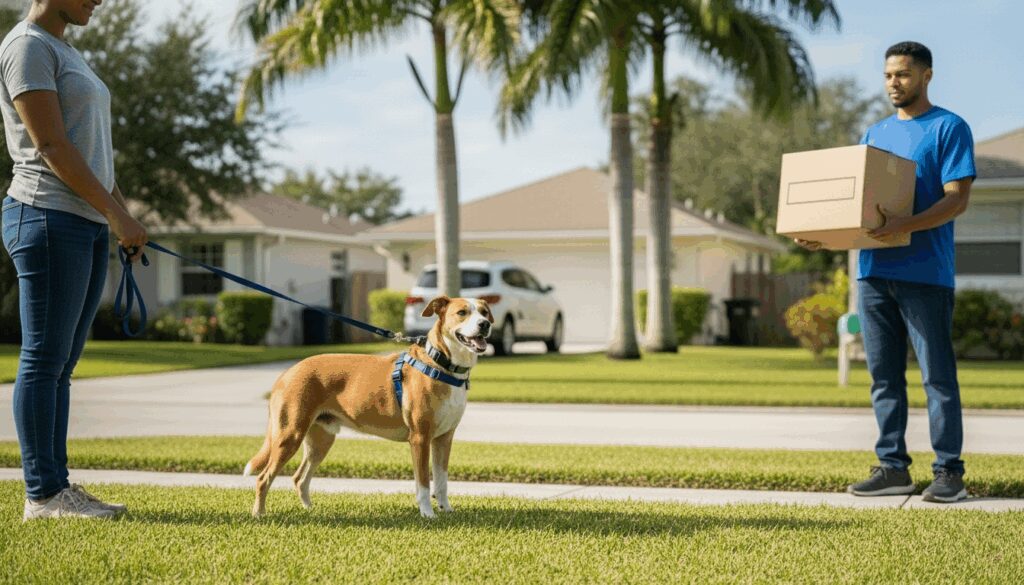
Florida homes often receive frequent deliveries. Dogs may react protectively to unfamiliar people approaching the home, especially if gates or doors are left open.
3) Neighborhood walks and shared spaces
Loose leashes, open gates, or dogs rushing fences can lead to bites during everyday walks or interactions.
How to Reduce the Risk of Dog Bites
For dog owners
- Supervise interactions between dogs and children at all times.
- Use leashes and secure fencing consistently.
- Provide proper training and socialization.
- Do not leave dogs unattended with visitors.
- Address pain or health issues promptly with a veterinarian.
For guests and neighbors
- Ask before petting a dog.
- Avoid approaching dogs that are eating, sleeping, or tied.
- Teach children how to interact safely with dogs.
How much could you save on Florida Homeowners Insurance? It takes two minutes to find out.
Get a Free QuoteInsurance and Dog Bite Claims in Florida
Dog bite claims are commonly handled under the personal liabilityportion of a homeowners or renters insurance policy. Coverage depends on the policy, the circumstances of the bite, and any applicable exclusions.
Potential considerations include:
- Medical payments for the injured person
- Liability coverage for legal claims or lawsuits
- Policy limits and whether additional coverage is needed
- Breed or animal-related underwriting rules (which vary by carrier)
Because Florida applies strict liability, dog owners often choose higher liability limits or consider additional protection through an umbrella policy.
What To Do If a Dog Bite Occurs
- Seek medical attention immediately.
- Exchange contact information and document the incident.
- Report the bite to local authorities if required.
- Contact your insurance agent promptly to understand next steps.
FAQs: Dog Bites and Liability in Florida
1) Is Florida a strict liability state for dog bites?
Yes. Florida generally follows strict liability, meaning a dog owner can be responsible for a bite even if the dog has never bitten before.
2) Does a dog’s breed determine liability in Florida?
No. Florida law focuses on the bite itself and the circumstances, not the dog’s breed.
3) Can a homeowner be liable if a dog bites a guest?
In many cases, yes—especially if the guest was lawfully on the property and did not provoke the dog.
4) Are landlords responsible for tenant dog bites?
Landlord liability depends on specific facts, such as knowledge of dangerous behavior and control over the property. This is often a complex legal question.
5) Does homeowners insurance cover dog bites?
Many homeowners policies include liability coverage for dog bites, but coverage varies by carrier and policy terms.
6) What if the injured person provoked the dog?
Provocation may reduce or eliminate liability, depending on the facts and evidence.
7) Do “Bad Dog” signs eliminate liability?
Not always. Florida law has specific requirements for warning signs, and they do not protect owners in every situation.
8) Are children treated differently under Florida dog bite law?
Children often receive additional legal consideration, and warning sign defenses may not apply to young children.
9) Should dog owners consider an umbrella policy?
An umbrella policycan provide additional liability protection above homeowners or renters insurance limits, subject to carrier requirements.
10) How can a GreatFlorida agent help?
A local GreatFlorida Insurance agent can review your policy, explain liability limits, and help you choose coverage that fits your household and pets.
Ready to save on Florida Homeowners Insurance?
GreatFlorida Insurance Agents compare rates from Florida's best carriers for you.
Get a Free QuoteOr call 888.478.7801