If you’ve recently applied for a home insurance quote in Florida, you may have been surprised to learn that an inspection is required.
Years ago, this wasn’t always the case—but today, inspections are becoming the norm.
So why are insurance companies requiring inspections before issuing coverage?
The answer comes down to risk.
In this guide, we’ll break down why inspections are required, what they involve, and how they impact your ability to get insured in Florida.
Florida homeowners are increasingly being asked to complete inspections when applying for insurance coverage. With rising claims, aging homes, and increased storm risks, insurers are tightening underwriting standards.
Inspections help insurers assess risk, verify property condition, and determine eligibility and pricing. This guide explains why inspections are required, what they involve, and how homeowners can prepare.
How much could you save on Florida Homeowners Insurance? It takes two minutes to find out.
Get a Free QuoteWhy Inspections Are Now Required in Florida
Florida’s insurance market has changed significantly in recent years. Insurers are facing higher risks due to:
- Hurricanes and severe weather
- Aging homes and infrastructure
- Rising claims and repair costs
- Fraud and litigation
As a result, insurers are being more cautious about the properties they insure.
Requiring an inspection helps them verify the condition of the home before offering coverage.
What Is a Home Insurance Inspection?
A home insurance inspection is an evaluation of your property’s condition and risk factors.
It may include:
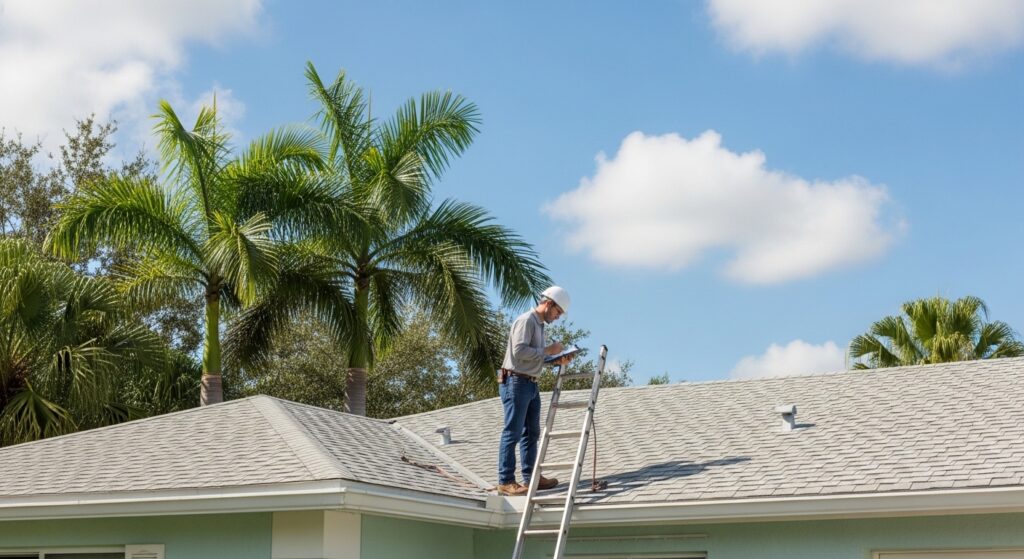
- Roof condition and age
- Electrical systems
- Plumbing systems
- HVAC systems
- General structural condition
This information helps insurers determine whether your home qualifies for Florida homeowners insurance coverage.
Types of Inspections Required
4-Point Inspection
This is the most common inspection in Florida. It focuses on four key areas:
- Roof
- Electrical
- Plumbing
- HVAC
Wind Mitigation Inspection
This inspection evaluates how well your home can withstand hurricane-force winds.
Homes with strong wind mitigation features may qualify for discounts.
Full Home Inspection
In some cases, insurers may require a more comprehensive inspection, especially for older homes.
How Inspections Affect Your Insurance Quote
Inspection results play a major role in:
- Whether you’re approved for coverage
- Your premium (cost)
- Your eligibility for discounts
A home in good condition may receive better rates, while issues like an aging roof or outdated wiring could increase costs—or result in denial.
Why Roof Condition Matters So Much
In Florida, the roof is one of the most important factors in underwriting.
Why?
- Roofs are highly vulnerable to storm damage
- Older roofs are more likely to fail
- Roof claims are among the most expensive
Many insurers have strict guidelines regarding roof age and condition.
What Happens If Your Home Fails an Inspection?
If issues are found, you may still have options:
- Make required repairs
- Provide proof of updates
- Seek coverage through a different insurer
Working with a local expert can help you navigate these situations and find solutions.
Why Inspections Protect Homeowners Too
While inspections may feel like an inconvenience, they can actually benefit homeowners.
- Identify safety hazards
- Prevent costly future damage
- Help maintain property value
They also ensure that your home is properly insured for its condition.
Florida Regulations and Insurance Oversight
The Florida Office of Insurance Regulation oversees the state’s insurance market and helps ensure consumer protections.
Additionally, organizations like the Insurance Information Institute provide insights into how inspections impact underwriting and coverage decisions.
How to Prepare for a Home Insurance Inspection
- Fix visible issues (leaks, damage, hazards)
- Gather documentation of repairs or upgrades
- Ensure easy access to key systems
- Trim trees and clear debris around your home
Preparation can improve your chances of approval and better rates.
Final Thoughts
Home insurance inspections are now a standard part of getting coverage in Florida—and for good reason.
They help insurers manage risk while ensuring homeowners are properly protected.
Understanding why inspections are required and how to prepare can make the process smoother and more successful.
Ready to get started? Get a free GreatFlorida Insurance quote today and see what coverage options are available for your home.
Frequently Asked Questions
1. Why do insurance companies require inspections in Florida?
To assess risk and verify the condition of the property.
2. What is a 4-point inspection?
An inspection focusing on roof, electrical, plumbing, and HVAC systems.
3. Do all homes require inspections?
Most homes in Florida now require some form of inspection.
4. How much does a home inspection cost?
Typically between $75 and $200 depending on type.
5. Can I be denied insurance after an inspection?
Yes, if the home presents too much risk.
6. What is wind mitigation?
An inspection that evaluates hurricane resistance features.
7. How can I pass an inspection?
Maintain your home and fix any known issues beforehand.
8. Does a new roof help with insurance?
Yes, it can lower premiums and improve eligibility.
9. How long is an inspection valid?
Usually 1–5 years depending on the insurer.
10. Do inspections affect my premium?
Yes, they directly impact pricing and eligibility.
Ready to save on Florida Homeowners Insurance?
GreatFlorida Insurance Agents compare rates from Florida's best carriers for you.
Get a Free QuoteOr call 888.478.7801