If you’re trying to get home insurance in Florida, chances are you’ve been asked to complete a 4-point inspection.
For many homeowners, this step can feel like a hurdle—but it doesn’t have to be.
With the right preparation, you can pass your inspection and secure the coverage you need.
As Florida’s insurance market tightens, 4-point inspections have become a standard requirement for many homeowners seeking coverage. These inspections evaluate key systems like the roof, electrical, plumbing, and HVAC.
Failing a 4-point inspection can delay or prevent coverage, but with the right preparation, homeowners can improve their chances of approval. This guide explains exactly how to pass a 4-point inspection in Florida and avoid common pitfalls.
This guide will walk you through exactly how to pass a 4-point inspection in Florida, what inspectors look for, and how to avoid common reasons for failure.
What Is a 4-Point Inspection?
A 4-point inspection focuses on four critical systems in your home:
- Roof
- Electrical
- Plumbing
- HVAC (heating and cooling)
Insurance companies use this inspection to determine whether your home qualifies for Florida homeowners insurance coverage.
Unlike a full home inspection, this is a targeted evaluation of risk-related systems.
Why 4-Point Inspections Matter in Florida
Florida homes face unique risks, including hurricanes, humidity, and aging infrastructure.
Because of this, insurers require inspections to:
- Reduce claim risk
- Verify property condition
- Ensure safety and insurability
The Florida Office of Insurance Regulation oversees these practices to protect both insurers and consumers.
1. Make Sure Your Roof Is in Good Condition
Your roof is the most important part of the inspection.
Inspectors look for:
- Missing or damaged shingles
- Leaks or water damage
- Age of the roof
Tip: If your roof is older (typically 15–20 years), consider repairs or replacement before the inspection.
2. Update Your Electrical System
Outdated or unsafe electrical systems are one of the top reasons homes fail inspections.
Common red flags include:
- Knob-and-tube wiring
- Aluminum wiring (in some cases)
- Federal Pacific or Zinsco panels
Modernizing your electrical system can significantly improve your chances of approval.
3. Check Your Plumbing System
Inspectors look for signs of leaks, corrosion, and outdated materials.
- Polybutylene pipes are often flagged
- Active leaks must be fixed
- Water heaters should be in good condition
Even minor plumbing issues can raise concerns for insurers.
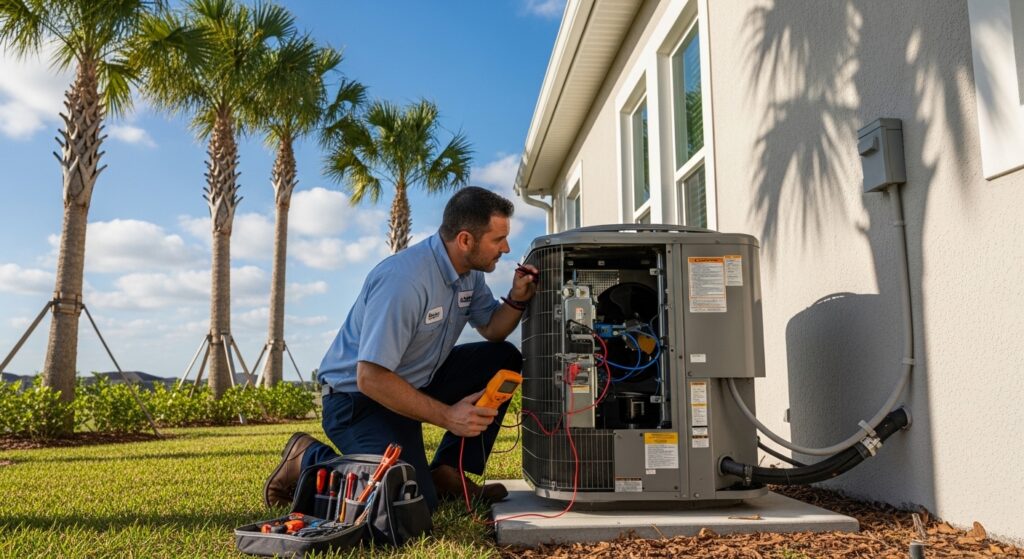
4. Ensure Your HVAC System Is Functional
Your heating and cooling system must be operational and in good condition.
Inspectors check for:
- Working AC unit
- No visible damage or leaks
- Proper installation
5. Fix Minor Issues Before the Inspection
Small problems can make a big difference.
- Repair loose handrails
- Replace broken fixtures
- Seal minor leaks
These quick fixes show that your home is well-maintained.
How much could you save on Florida Homeowners Insurance? It takes two minutes to find out.
Get a Free Quote6. Provide Documentation of Updates
If you’ve made improvements, document them.
- Roof replacement receipts
- Electrical upgrades
- Plumbing updates
This can help offset concerns about older systems.
7. Schedule a Pre-Inspection (Optional but Smart)
Some homeowners choose to do a pre-inspection before submitting to an insurer.
This allows you to:
- Identify issues early
- Make repairs proactively
- Increase your chances of passing
8. Understand What Inspectors Are Looking For
Inspectors are not trying to fail your home—they’re evaluating risk.
They focus on:
- Safety hazards
- Likelihood of future claims
- Overall condition of key systems
9. Work With a Local Insurance Expert
Florida’s insurance market is complex, and requirements vary by insurer.
A local expert can help you:
- Understand requirements
- Choose the right insurer
- Navigate inspection issues
Start by getting a quote from GreatFlorida Insurance and guidance tailored to your home.
10. Don’t Panic If You Fail
Failing a 4-point inspection isn’t the end of the road.
You can:
- Make repairs
- Request a re-inspection
- Explore alternative insurance options
Many homeowners pass on their second attempt after making improvements.
Final Thoughts
Passing a 4-point inspection in Florida comes down to preparation and understanding what insurers are looking for.
By addressing key systems—roof, electrical, plumbing, and HVAC—you can improve your chances of approval and secure the coverage you need.
Taking these steps not only helps you pass the inspection but also protects your home in the long run.
Frequently Asked Questions
1. What is a 4-point inspection in Florida?
An inspection of roof, electrical, plumbing, and HVAC systems.
2. Why do I need a 4-point inspection?
To qualify for home insurance coverage.
3. How do I pass a 4-point inspection?
Maintain and update key systems and fix any issues.
4. What is the most important part of the inspection?
The roof is typically the most critical factor.
5. Can I fail a 4-point inspection?
Yes, if significant issues are found.
6. How much does it cost?
Usually between $75 and $200.
7. How long is it valid?
Typically 1–5 years.
8. Can I fix issues after failing?
Yes, and then request a re-inspection.
9. Do newer homes need inspections?
Sometimes, depending on the insurer.
10. Does passing lower my premium?
It can improve eligibility and pricing.
Ready to save on Florida Homeowners Insurance?
GreatFlorida Insurance Agents compare rates from Florida's best carriers for you.
Get a Free QuoteOr call 888.478.7801